November 2019 Training Challenge: Teach Your Pet to Army Crawl

Since last month’s challenge was more involved (awesome job to everyone who participated!), I figured we should take it easy on you for November. So this month’s training challenge involves trick training:

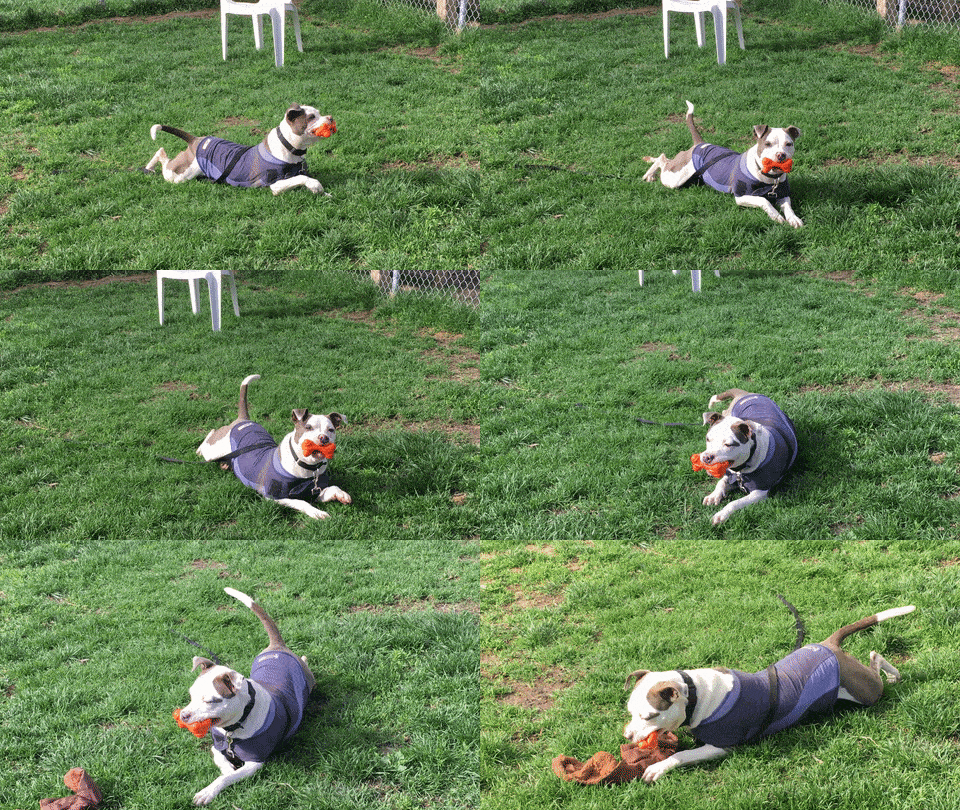
Teach your pet to army crawl

Professional army crawler! GIF by Nebraska Humane Society.

There are a few different ways to teach this but I prefer to start out luring since it’s typically the easiest. Check out our Facebook Live video for a visual demo on how to teach an army crawl. Below are the steps:

  1. Ask your pet to lie down on a soft surface (it’ll be difficult on slippery surfaces). Put a treat in your fist and place your fist on the ground between your pet’s paws. They’re likely now smelling the treat!
  2. Slowly move your fist forward along the ground. Pretend there’s a magnet in both your fist and your pet’s nose: the two should stay connected. You can only accomplish that connection by moving slowly. 
  3. Frequently mark and treat your pet for following the treat. For many pets that means treating the stretch forward first, then working your way up to treating for one foot forward, then two feet forward, etc. 
  4. Lure your pet (steps 1-3) 5 times. If they do well at least 4 out of 5 times move to the next step. 
  5. Without a treat in your hand, move your hand along the ground as you did before. If your pet follows, great! Mark and treat then repeat this step 4 more times. If your pet does not follow, go back to step 4. 
  6. Congratulations! You’ve finished the fluency stage with a pronounced hand signal. You can either stop here, change the hand signal, add a verbal cue, or proof the behavior. That’s up to you! 

Now what?

  • Have fun training! The great thing about trick training is that there’s no pressure; it’s not a big deal if your pet doesn’t learn this particular trick. Just have fun with it!
  • Post your pet doing an army crawl on our Facebook page! We love to see videos of your pets doing fun stuff. 
  • Need help troubleshooting? Email us at info@petharmonytraining.com to set up a quick phone consult. These are just $1/minute.

Happy training!

Allie 

5 Tips for Your Pet’s Best Halloween

My favorite holiday, Halloween, is almost here! But while this holiday is often a favorite for humans it’s rarely a favorite for pets and that makes it stressful for their owners. The doorbell ringing all night often sends our pets into a loud tailspin. It’s a battle to get to the door when pets are crowding it. And let’s not forget the pets who get into the bowl of Halloween candy when no one is looking.

Let’s make this year different by following these 5 simple tips:

  1. Put your pets away. There’s no reason your pet absolutely needs to greet trick-or-treaters or attend your Halloween party (unless contraindicated for separation anxiety). If you’re worried about your pet running out the open door or how they’ll act around people in costumes then let them hang out in another room for the evening. Many will thank you for leaving them out of the commotion! 
  2. Drown out the doorbell. Some people go as far as to disconnect their doorbell or simply turn off their porch light and leave a bowl of candy out, but if you’d like to participate in trick-or-treating then leave the TV or music on for your pet so they can’t hear the doorbell.
  3. Update your pet’s ID tags and microchip info. Better safe than sorry! 
  4. Put candy bowls out of your pet’s reach. Pets are opportunistic and just because something is toxic to them doesn’t mean they won’t ingest it (like humans and alcohol). This might mean setting the bowl not right near the front door to keep it out of reach.
  5. Create an airlock around the door. Set up a freestanding gate around your front door to create an airlock that you can get in but your pet can’t. You can find some of our favorites on our Amazon storefront! (Disclosure: We receive a small commission for purchases made through these links at no extra cost to you. This helps us continue to put out free content to help you and your pets live more harmoniously!)

Happy Halloween!

Allie

A scruffy white and dark grey dog standing in front of a tree with yellow fall foliage. There is a deflated jackolantern next to him.
You don't have to feel as deflated as Petey's jack-o-lantern this Halloween!

Now What?

Want some more ideas for helping your pets during the chaos of holidays? Here are a few posts from our team:

If you want more enrichment and training tips delivered directly to your inbox, join our email list! Keep up with the blog, podcast, and events too. 

Copyright 2025 Pet Harmony, LLC. All Rights Reserved.

Terms & ConditionsPrivacy Policy

Results are not guaranteed because behavior, human, canine, or otherwise, are not guaranteeable.

Becoming Bilingual: Reading Your Pet’s Body Language


What if I told you that there’s a way to make your pet’s behavior more predictable? A way to better avoid unfortunate incidents? A way to communicate better with your non-human family members? There is! 

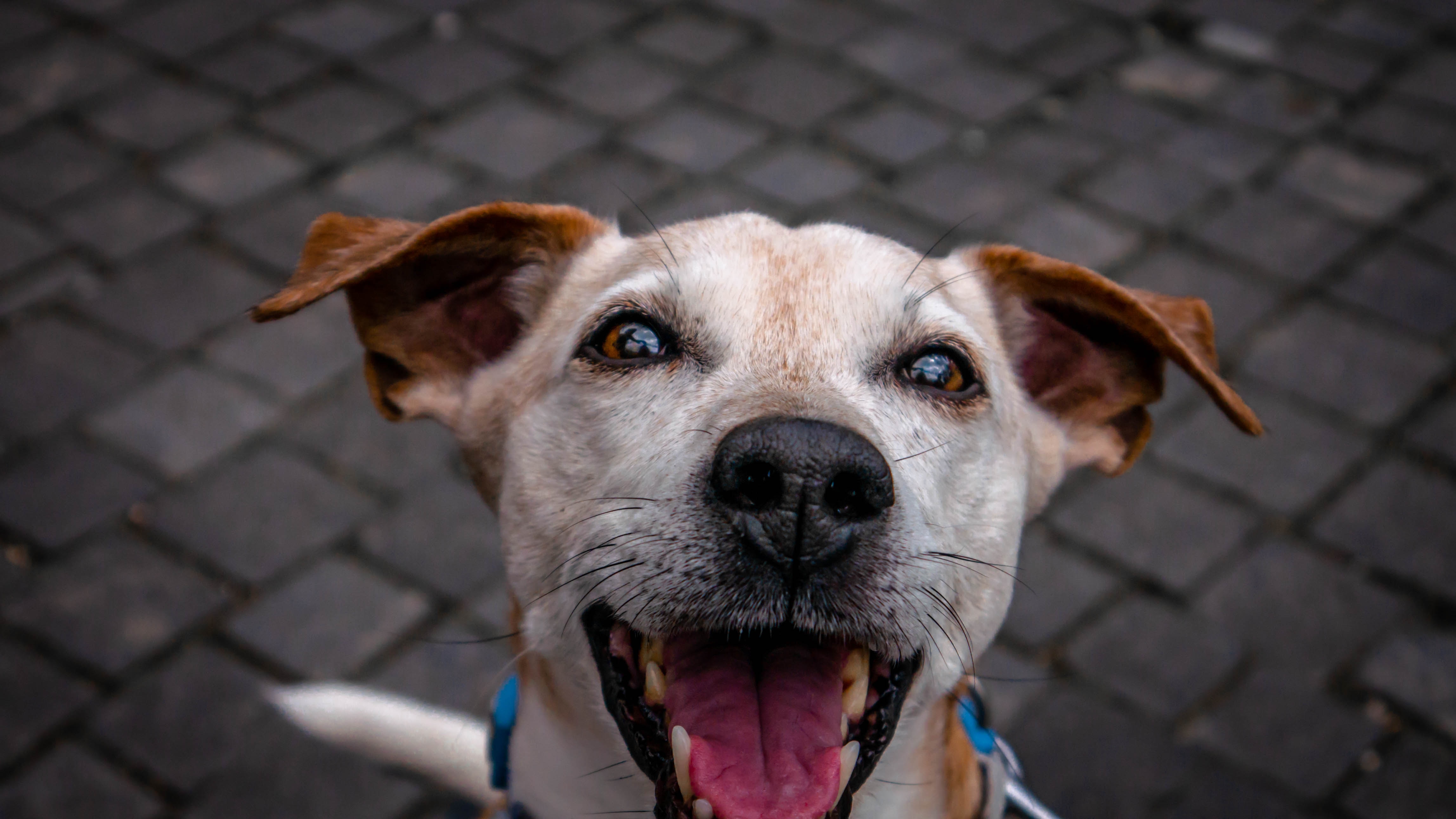
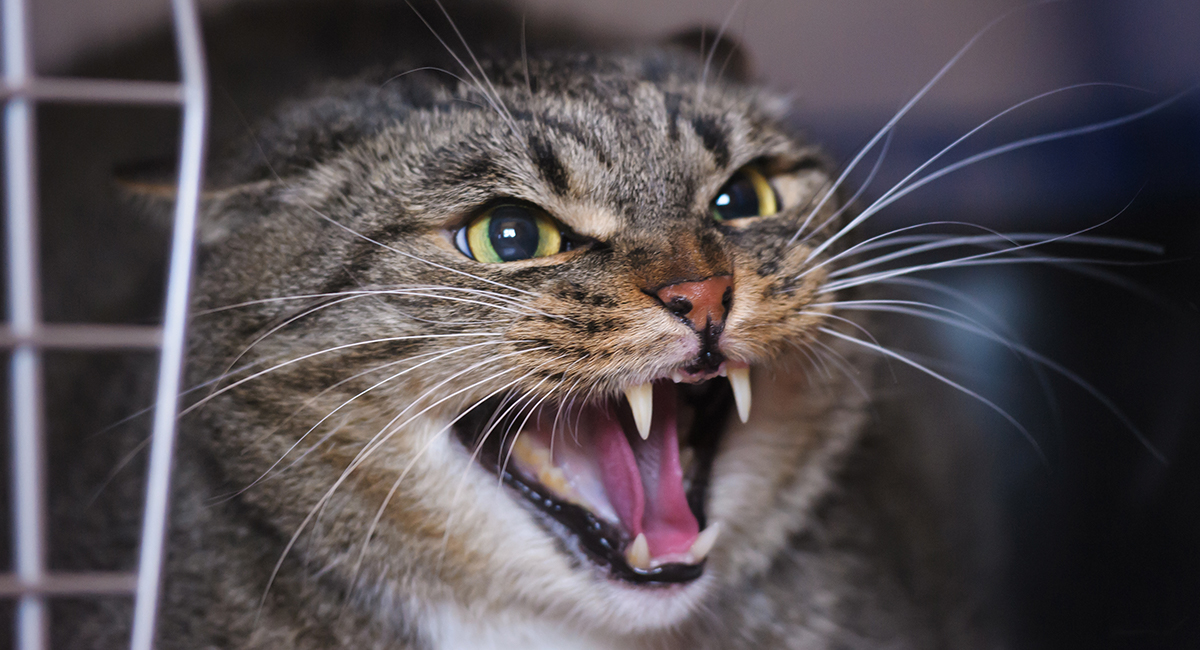
All of this becomes possible when we can proficiently read our pet’s body language. Our pets are communicating with us all of the time through their body language signals and behavior. I’d say that most of us can pick up on big emotional “tones” with our animals. For instance, most people would probably say the dog on the left is “happy” and the dog on the right is “not happy” without knowing the nuts and bolts of dog body language. 

Photo by Kuma Kum on Unsplash Photo by Daniel Lincoln on Unsplash


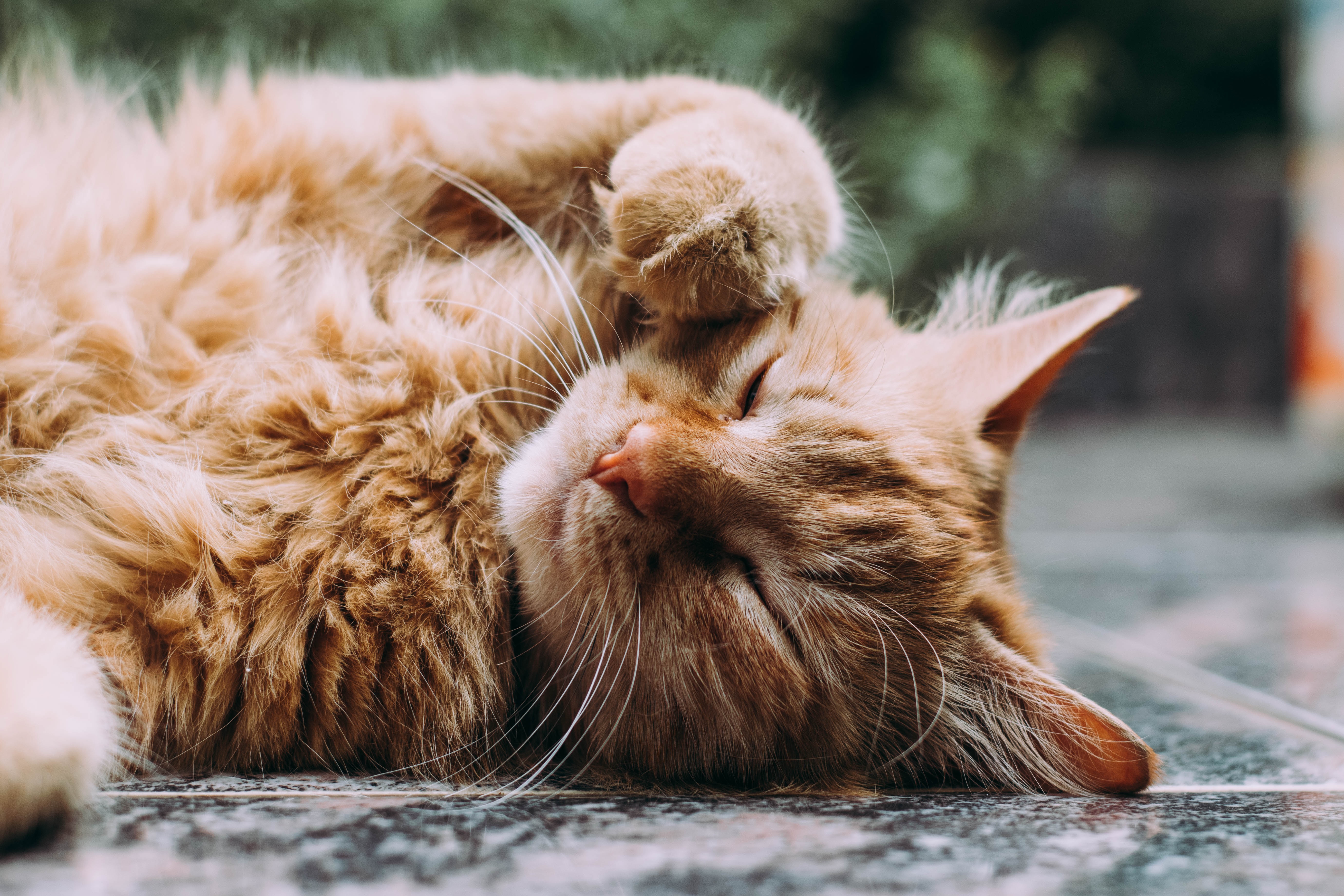
Likewise, “happy” cat on the left and “not happy” cat on the right. 

Photo by Ludemeula Fernandes on Unsplash  


However, if we just leave our understanding at this most basic level we’re missing most of the conversation. It’d be like only learning the tone of voice someone uses instead of learning words and sentences. Their raised voice might be anger or excitement; it can be hard to tell if we don’t know the words. Further study is needed to learn the nuances and subtle differences in communication, like the difference between these two dogs:

Photo by Anne Dudek on Unsplash Photo by Sakura on Unsplash


How can I learn my pet’s body language? 

There are three basic skills to being able to proficiently read your pet’s body language:

  1. Observation: being able to see the signals your pet is displaying
  2. Knowing the signals: knowing the “words” your pet is using
  3. Interpretation: understanding how they’re stringing the “words” into “sentences”

Observation is the first step; it doesn’t matter if you know the signals if you can’t see your pet using them! While there are a lot of jokes about observant vs. unobservant people, this too is a skill that can be learned like any other! Here are some tips for beefing up your observation skills:

  1. Play games! Activities like scavenger hunts, find the difference photos, and even Eye Spy games are great for sharpening your observational skills.
  2. Observe with all 5 senses. There’s an anxiety-reducing exercise that is great for building observational skills as well: acknowledge 5 things you see, 4 things you touch, 3 things you hear, 2 things you smell, and 1 thing you taste. This will come in handy when we get to the interpretation section. 
  3. Separate observation from interpretation by watching animals you know nothing about. So often we immediately jump to interpretation instead of simply observing what’s going on and taking it at face value. I find it’s easier for my students to do this when they practice watching videos of an animal they’re not familiar with first. 

After or alongside building observational skills we can start learning the body language signals. As with anything, there are some great resources and some inaccurate resources on the internet. Here are a few we recommend (check out our recommendations pages as well; we update frequently!):

This is by no means an exhaustive list and there are many species missing; email us at info@petharmonytraining.com if you’re looking for resources on a different species! Here are some tips to help you observe your pet’s signals:

  • Focus on one body part at a time. For an entire day solely focus on your pet’s ears and nothing else. The next day focus on your pet’s mouth, and so on. Become proficient reading one part then move on to the next. 
  • Video your pet. Watch and rewatch the video focusing on different body parts and signals. How many do you see when playing it frame by frame vs. at normal speed?
  • Practice! Learning another language takes time and practice, plain and simple. The only way to see more signals is to practice frequently. 

Interpreting body language signals is not always black and white. A yawn may be a stress signal one minute and related to sleep in another minute. This is where interpretation comes in. We must always remember, though, that our interpretation is just that. It’s not a 100% accurate fact. It’s our best guess as to what the animal is experiencing and we will not really be able to confirm our assumptions with our pets. As such, it’s important that we always make training and behavior modification decisions based on observable behaviors instead of our interpretations.

This step is the hardest because we can’t verify our answer to see if it’s right. This might be a step that you prefer to leave to a professional (which is a great call!) Here are some tips to help you become more proficient at interpreting your pet’s signals if you’d like to do so:

  • Stick to simple interpretations like comfortable vs. uncomfortable. The more involved your interpretation the more likely it is to be incorrect. 
  • Observe your pet’s entire body. Is their body language overall comfortable or uncomfortable? Are you seeing multiple stress signals in a row and/or simultaneously?
  • Watch for the cause and effect in your videos. What happens before and after your pet displays certain signals? Remember to observe with all of your senses. 
  • Watch videos of animals interacting together. One of the best ways to glean conversations in another language is to listen to native speakers! Again, watch for the cause and effect. 
  • Get a professional’s (or twos or threes) opinion. Professionals have simply watched a whole lot of animals and that helps build a mental database that we can reference against, so to speak. That doesn’t mean we don’t get it wrong too. We just have more experience observing different individuals. 

Now what?

  • Identify which step you should start with: observation, learning the signals, or interpretation. 
  • Build the habit into your day. Devote at least a few minutes each day to becoming fluent in your pet’s language. 
  • Try the above steps and do some research on your own. Get your friends and family involved so you can practice with them, too! 
  • Move on to the next phase when you feel confident in the one you’re currently on. 
  • Check out our Setting Yourself Up for Success: Behavior Modification Basics course for more info on canine body language.
  • Reach out to a professional for help. Pet Harmony routinely offers body language seminars in person and if you ask us nicely at info@petharmonytraining.com we’ll consider a webinar sooner rather than later for y’all 😉 

Happy training!

Allie