
Tag: dog body language







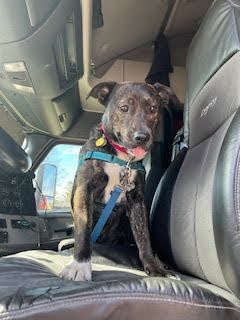





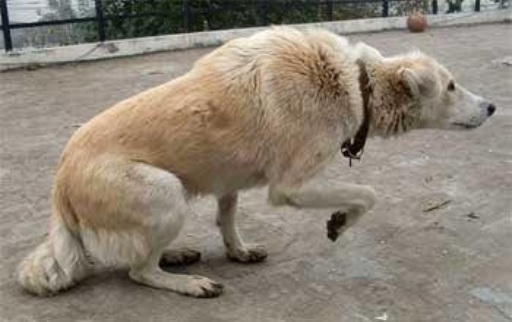




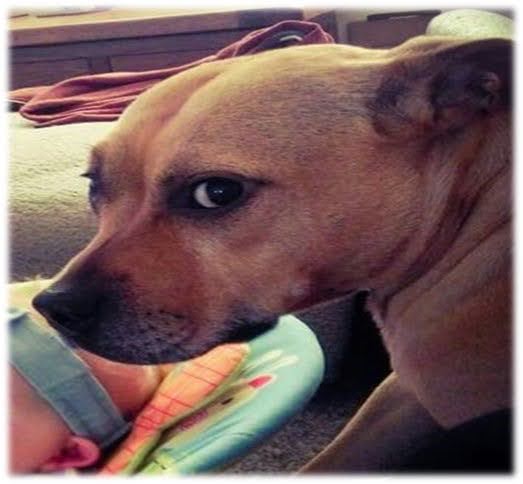

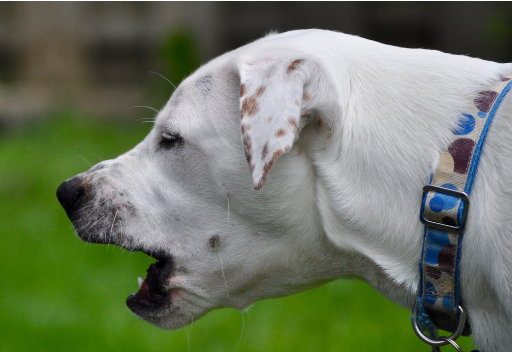
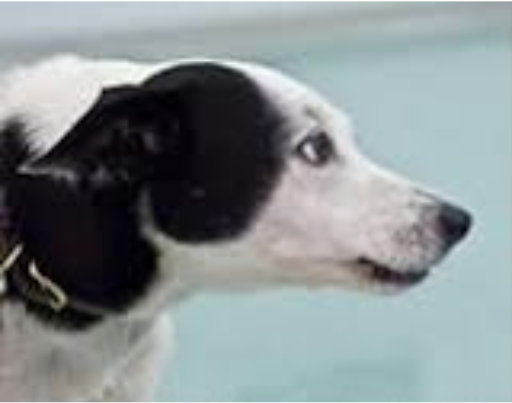
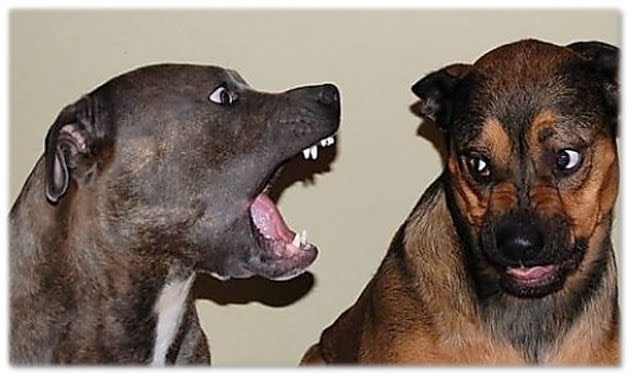
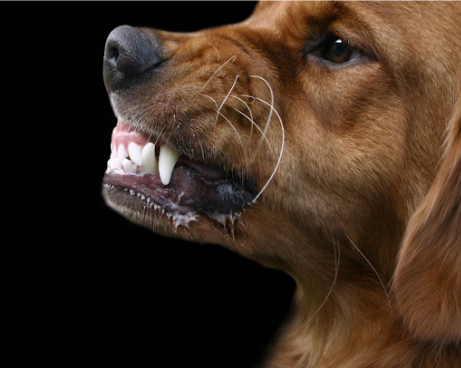

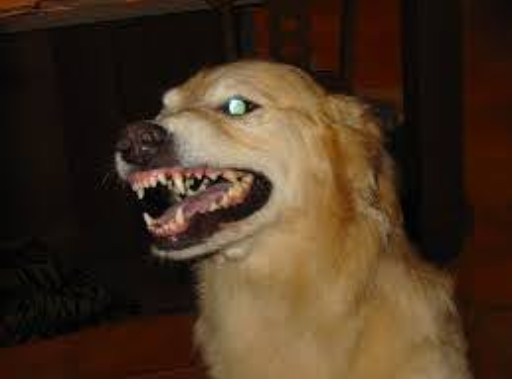
More Warning Signs
In last week’s blog post I talked about why I like warning signs, like growling. Check it out here if you haven’t read it yet. This week, I wanted to address an adjacent topic that often comes up in client sessions in the form of:
Me: “What body language signals did you notice before the bite?”
Pet parent: “There were none! He didn’t growl or show his teeth.”
When I hear this, I usually make a mental note and simply continue with the next question I had planned. Later in the session, we talk about body language signals and I give an example of Oso’s stress signals. That’s usually where the lightbulb moment happens; there are more warning signals and stress signals than just growling or showing teeth.
Just because you didn’t see teeth or hear growling doesn’t mean that the animal didn’t ask you to back off prior to a bite. There are a lot of ways in which animals communicate beyond those two signals. Some signals are intuitive- hackles (fur on the back) raised or tail tucked- but many are not– lip licks and stress yawns. There very well may have been signs that the animal was about to bite, but if we don’t know animal body language we won’t be able to respond appropriately.
Other warning signs
Warning signs are a way for animals to say, “If you don’t stop what you’re doing and/or move away from me I may bite you.” Warning signs aside from growling or showing teeth (which are both not always warning signs!) can include:
- Freezing
- Posturing over an item (putting their body weight over it)
- Corners of the mouth going forward
- Muzzle punch (just as it sounds- punching something with their muzzle)
There are, of course, other signs besides these and there are many, many other signs of stress in general. Check out this blog post about learning body language for more resources.
What should I do if I see warning signs?
For those of you who read last week’s blog post, you know that the answer is to provide relief in the moment. Go away if they’re asking for you to go away. Communication is a good thing, even if we don’t like what’s being said, and is something that will keep us safe. You can then work with a behavior professional on changing the underlying reason why your pet is uncomfortable and thus showing warning signs. If you’re looking for immediate help, check out our “Setting Yourself Up for Success: Behavior Modification Basics” course.
Remember: don’t punish warning signs. That’s how “bites out of nowhere” can actually happen.
Now what?
- Learn more about your pets’ body language. All species living in your house communicate through their body language– from you yourself to a dog or cat to my turtle, Zorro. Having a proficient understanding of body language is the first step to being able to work with pets who exhibit maladaptive behaviors.
- Keep a log, either written or in your head, of when you see what signals. What happened before? What happens immediately (I.E. within 3-5 seconds) after? Observe and adjust your environment accordingly to keep your pet feeling more comfortable.
- Contact a behavior professional to help you. It’s much easier to address something when it first starts happening, instead of waiting it out or seeing if they’ll grow out of it (if individuals grew out of fear and anxiety we wouldn’t have human therapists.) We offer immediate help through our “Setting Yourself Up for Success: Behavior Modification Basics” course in addition to remote consults for pet parents (and professionals!) worldwide.
Happy training!
Allie

Why I Like Warning Signs & What to Do with a Growling Pet
I’m going to say something that sounds weird, so hear me out. I like warning signs. I like pets who growl. I appreciate when a pet chooses to growl. So in a society that has a lot of feelings– usually negative feelings– about growling, why am I going against the norm?
Why growling is okay
Growling is a form of communication. It’s not necessarily good or bad, just like other forms of animal communication like ears forward or backward or tail up or down are not necessarily good or bad. They just… are. It’s us humans that attach a moral “good” or “bad” tag to animal communication. We, as a society, have deemed growling as a bad thing and that causes us to treat it like it’s a bad thing instead of what it really is– normal communication. (Note: I’m not downplaying the role that language plays in the oppression of groups of people. There are certainly real moralities and pain attached to human language and communication. I’m solely talking about animal communication here, which does not have the moral implications that human language does.)
Again, growling is a form of communication. It’s a way for our pets to say, “Hey, I’m uncomfortable. Please give me some space.” It’s a way for them to try to diffuse a situation instead of escalating straight into biting. And, between those two options, I’d take growling over biting any day of the week. Far fewer incidents happen when we respond to and respect this warning sign. Communication should always be appreciated, even if you don’t like what the individual is saying. Communication– these warning signs– are what keep us safe.
Don’t punish growling
When I was little, I thought just as many people do: growling is bad and we should punish pets who growl at us. Now I know that that’s not the best option. What happens when we punish pets who growl, is that we change their communication, but not the actual reason why they were growling in the first place. A common example in the dog training world is equating punishing growling to taking the batteries out of a fire alarm. There’s still a fire, you just don’t know about it anymore. Punishing growling only changes the growl, not the fact that they might bite if pushed farther. This is one of the ways to create “bites that happen out of nowhere”.
What to do if your pet growls
In the moment, the answer is to provide relief for your pet. If they’re growling at you, that means you should go away. If they’re growling at something else, that means removing the thing or your pet. We should give them the space they’re asking for.
The question that always arises when I say this is, “Aren’t I rewarding him for growling if I go away?” My answer is a hearty, “Yep!” Because, again, far fewer incidents happen when we respect our pet’s communication. My primary goal is always first and foremost safety: making sure my clients and other individuals don’t get bitten. The best way to do that is to give an animal who’s asking for space the space that they’re asking for. We can then discuss how to keep those situations from arising in the future so we don’t need to worry about what happens when they growl. We can set up the environment and work through behavior modification plans so the pet doesn’t feel like they need to do so; they feel more comfortable or aren’t put into those situations.
How can I keep my pet from growling in the future?
The first suggestion will come as no surprise to those of you who follow this blog. Learn their body language, especially subtler signs of discomfort. Unless growling occurs because of a true startle response, there are signs of stress and discomfort that happened before the growl. It may be that they were small and easy to miss, but oftentimes people don’t know what they’re looking for when it comes to signs of stress. We need to learn more about body language before we can see it in our own pets. Then, when we are able to see those subtle stress signals, we can intervene sooner so that the animal doesn’t escalate to growling.
The second suggestion is to manage the environment and situations your pet is in. I talked a bit about this in the post “What Should I Do If My Pet Growls When I Try to Move Him?” If we know the situations in which the animal is uncomfortable, we can avoid those situations and not have to worry about what to do when they growl. They won’t do it if they’re not in those situations. Sometimes this is easier said than done; a behavior professional can help you suss out those scenarios and triggers if you’re having trouble figuring out the common threads surrounding your pet’s behavior.
Finally, we can work through a behavior modification plan to help your pet feel more comfortable in those situations. This is a case where you should work with a behavior professional. It’s easy to make these behaviors worse and a behavior professional can help you get on the right track.
Now what?
- Do you have a pet who sometimes growls? Make a list of the situations in which that happens, then use that list to determine how to avoid those situations.
- Learn your pet’s more subtle signs of stress. More info on dog and cat body language in this post.
- Need immediate help with these action items? Our “Setting Yourself up for Success: Behavior Modification Basics” course has you covered.
- Contact a behavior consultant to help. We offer remote services for folks all over the world; email us at info@petharmonytraining.com to schedule your first session.
Happy training!
Allie
What Should I do if my Pet Growls When I Try to Move Him?
Does your dog growl when you try to physically move him, especially off the couch? You’re not alone, and it’s more common than you’d think. This post explains why that growl usually isn’t about dominance or defiance, and walks through practical, hands-off alternatives — like luring, cues, and gates — that let you both get what you want without the conflict. You’ll also learn why trying to ‘fix’ the growl itself can backfire, and what a real long-term solution looks like.
What I Wish Someone Told Me When I First Started Studying Animal Body Language
Last week I wrote a post about the “freeze” option our pets have while over threshold and mentioned that it often gets written off as “fine”. You can read that article here if you haven’t yet. This week, I want to focus on a reaction that I often see when people first learn about this: the prelearning dip.
Waaay at the beginning of the Pet Harmony blog, I talked about “prelearning dips.” You can read the full article here, but the Cliffs Notes version is that a “prelearning dip” happens when we receive new information that competes with information we previously had, so we reject the new stuff. It’s one of the reasons why providing facts, stats, and scientific studies in an internet argument doesn’t usually work in persuading the other person. We all go through these dips and sometimes we hang out in that dip for a while instead of reconciling the new information and updating our knowledge base. I know that I have!
Often, when I talk about the “freeze” option to clients I see them having a bit of a prelearning dip as this new information – that their pet is uncomfortable, stressed, and/or anxious – is incompatible with what they thought was happening– their pet being “fine.” That’s a really difficult piece of new information to reconcile. In a session, I’ll let my client work through that and ask me as many questions as they need to to reconcile instead of pushing them, but I wanted to take the time to talk to y’all about this particular situation more in-depth. And, more importantly, let you know that this is a normal part of the learning process.
Prelearning Dips & Learning Body Language
I regularly give presentations about animal body language. After every presentation, there is at least one person – without fail – who is concerned about their pet displaying many of the stress signals that we discussed in the seminar. This happened so frequently that I included an entire slide in my updated presentation saying that, “not all stress is bad stress” to allay some of those fears and questions I was routinely getting.
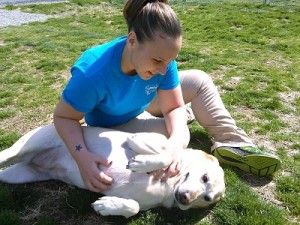
Good stress vs. bad stress is a topic for another day; the point of this anecdote is that there are a whole lot of feelings that come up when people first start studying animal body language. Guilt, anxiety, confusion, wonder, excitement: I’ve seen it all! And a very common occurrence is that of the prelearning dip. This happens because, for some people, I’ve inadvertently shattered their beliefs about their pet. They might think that their pet loves belly rubs but I challenged that by describing a “tap out” (pictured below).
They might think that their dog loves getting kissed on the top of the head, but I challenged that by putting all of the signals they see from their dog in that situation into the “distance-increasing” category.

They might think that “freeze” is a sign of “fine”, but I challenged that by stepping on a mini soap box about how not-okay it is for animals to be shut down.
The list goes on.
The biggest thing that I want to tell folks who I see struggling to reconcile this new information with the information they previously had is: it’s okay. It’s okay to go through a pre-learning dip! We’ve all been there before and will be there again. It’s okay to take some time to sift through new information and noodle it over. It’s okay to reframe how we think about our pets based on this new information; they’re still the same individual they were before and we won’t love them any less. It’s okay.
If you’re one of the majority of people who has or is struggling with a prelearning dip as you learn more about your pet’s body language, know that you’re not alone. It’s okay to learn new things and even learn that you were wrong about a certain aspect of your pet. We all do the best that we can with the information that we have in the moment; and when we learn better, we do better. The most important thing is to keep learning.
Now What?
- Have you started studying your pet’s body language? If not, get on it! If everyone knew how their animal communicated we would live in a very different [and I think better] world. Here are some resources to help you (these are Amazon affiliate links. We receive a small commission for purchases made through these links at no extra cost to you. This helps us continue to put out free content to help you and your pets live more harmoniously!)
- Calming Signals by Turid Rugaas
- Canine Body Language by Brenda Aloff
- Think through your learning journey in regards to animal body language. What’s something that you’ve learned from multiple reputable sources that you’re still hung up on? Why do you think you’re having a prelearning dip about that particular thing? What ideas do you currently have that have to change in order to reconcile the new information?
- Talk to an expert about your prelearning dip. Tell them about the hangup you’re having and why you think you’re having it. Many times hangups happen because there are kernels of truth in mostly untrue ideas or statements; it’s hard to piece together what is and is not factual in those situations. An expert can help you do that more proficiently!
- If your prelearning dip is happening as a way to keep guilt at bay, you’re not alone. All of us at some point have been told to do something or train in a way that wasn’t LIMA-friendly towards our animals. And oftentimes, prelearning dips are a way for us to not have to deal with the emotions that come along with that. Remember, we all do the best that we can with the information that we have at hand. Let yourself feel those difficult things and then move on, knowing that you’re on the path to knowing better and doing better.
Happy training!
Allie
Conversations with My Dog
A lot of people talk to their pets. I’m one of them. I ask Oso questions he’ll never be able to answer, I sing him songs that he doesn’t understand, and I occasionally throw in something that he does know like, “Do you want to go outside?” Humans are talkative beings. Sorry, Oso. But what if I told you that Oso can hold his own in some of our conversations? I sound crazy, right? Let me explain.
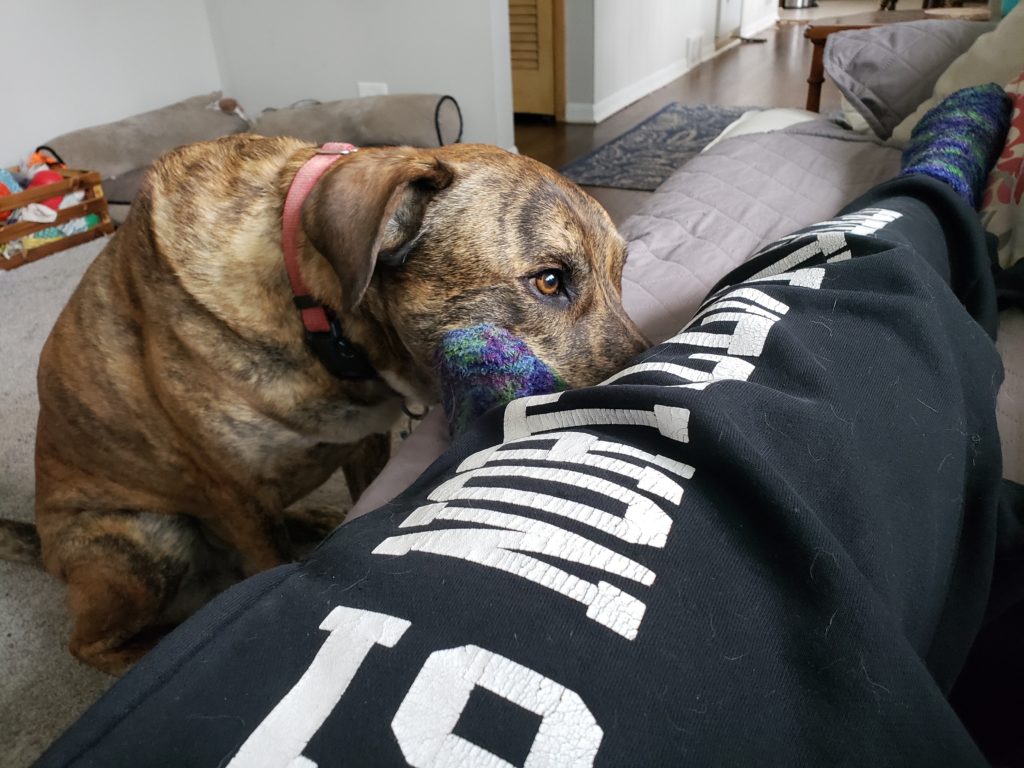
This may just look like a super cute picture of Oso, but it’s actually the beginning of a conversation. Here’s what he’s saying:
Oso: *puts head on couch* I’d like to come up on the couch.
Me: Okay, come up then.
At this point, one of two scenarios play out:
Scenario 1:
Oso: *comes up on couch and snuggles* Hooray snuggle time!
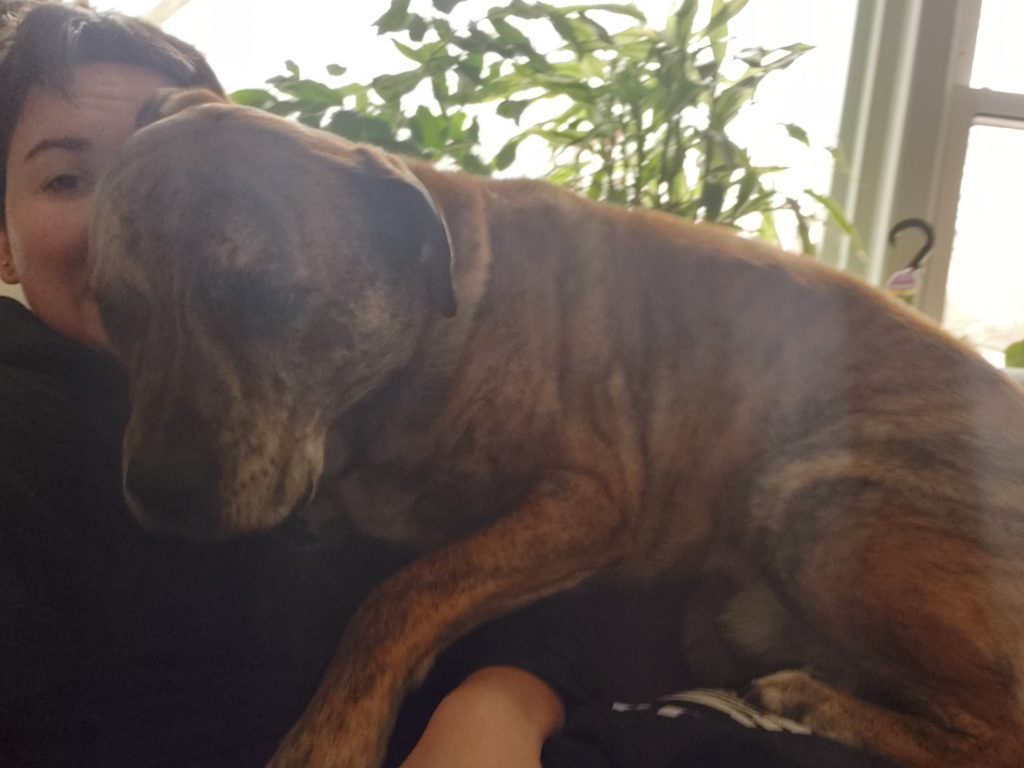
Scenario 2:
Oso: *looks at me without moving his head* There’s stuff in my way.
Me: Is something in your way? You’re ridiculous. *Continues chattering while clearing space for him on the couch* Come up then.
Oso: *looks at me without moving his head* There’s still not enough room.

Me: *Sigh* You’re the worst. *Moves my legs to give him even more space*
Oso: *comes up on couch, sprawls out, and falls asleep*
Now, I’ve clearly anthropomorphized some of this. I don’t *really* know his side of the story. But, what I do know is that we very consistently have this interaction. We have both learned this way of communication from one another. His head-on-couch behavior prompts me to create space for him and he comes up after I do so. He continues to put his head on the couch because he gets the space he’s looking for and I get snuggles so I continue giving him space. It may look unconventional but it definitely qualifies as a conversation. Communication is so much more than talking.
Expanding the picture
Oso learned how to use a “head down” behavior as a conversation starter not through this couch behavior, but during our training sessions. We often start our training sessions with his nail file board. However, after he scratched for a varied length of time, he consistently would become disinterested in continuing. In the beginning I took that to mean that he wasn’t interested in continuing our training session in general and would move on to my own thing. He would continue putzing around the room, though, as if to say that he wasn’t done with the interaction. Maybe I had gotten it wrong?
Around this same time, I was teaching him a “head down” behavior as a new trick. While I don’t remember the actual interaction, my assumption is that during a training session he decided to do a “head down” behavior instead of continuing to use his nail file board and I started reinforcing him for that. We continued the session but switched to a new activity. It only took a few of these interactions for us to finally be on the same wavelength (humans are slow, aren’t we?): he wanted to continue training but didn’t want to do his nail file board anymore.
The “head down” behavior took off after we learned how to communicate together in this way. He started doing it during training sessions any time that he wanted to switch to a new activity. I learned that he likes switching up what we’re working on far more than I was doing previously. He started doing it whenever he got frustrated because I wasn’t clear in what I wanted. He started doing it to ask to get up on the bed or when he wanted me to create space for him on the couch. He started doing it to ask for most things that he wanted (the only different one is when he wants to go outside). He learned that that behavior works for getting him things he wants.
The Applied Behavior Analysis (ABA) term for this type of behavior is called, “manding”. Essentially, it means requesting something that you want. Oso learned “head down” as a manding behavior because I treated the behavior as a form of communication instead of a random or coincidental occurrence. Not only is his “head down” behavior cute and unobtrusive, it is so much less annoying than many of the behaviors he could have chosen: barking, pawing, nudging my hand.
Here’s my challenge for you: start treating your pet’s behavior as a form of communication instead of a random occurrence. Look around and assess the situation. What could they potentially be saying to you? What has your pet “gotten” for doing this behavior in the past (attention, petting, treats, play time starts, etc.)?
What conversations will you have with your pet?
Now what?
- Observe your pet’s behavior free from judgment. Take away the morals– good behavior and bad behavior– and simply watch. Is there something that they do fairly regularly?
- After observing their behavior, start noticing the situation around that behavior. What happened before? What happens after? Again, this step should be free from judgment.
- Are there conversations that you and your pet already have? Your observations may uncover some form of communication that you weren’t cognizant of!
- Is there a way that you’d like your pet to communicate with you? One of the easiest ways is to choose a behavior that your pet is already performing and reinforcing it. You can also choose to teach a new behavior and use that instead!
- Start training! I chose to reinforce Oso’s manding behavior not with food, but with “real life” reinforcers like access to furniture and fun training exercises.
- Post pics and videos of the conversations you have with your pet on our Facebook page! We’d love to see them.
Happy training!
Allie
Becoming Bilingual: Reading Your Pet’s Body Language
What if I told you that there’s a way to make your pet’s behavior more predictable? A way to better avoid unfortunate incidents? A way to communicate better with your non-human family members? There is!
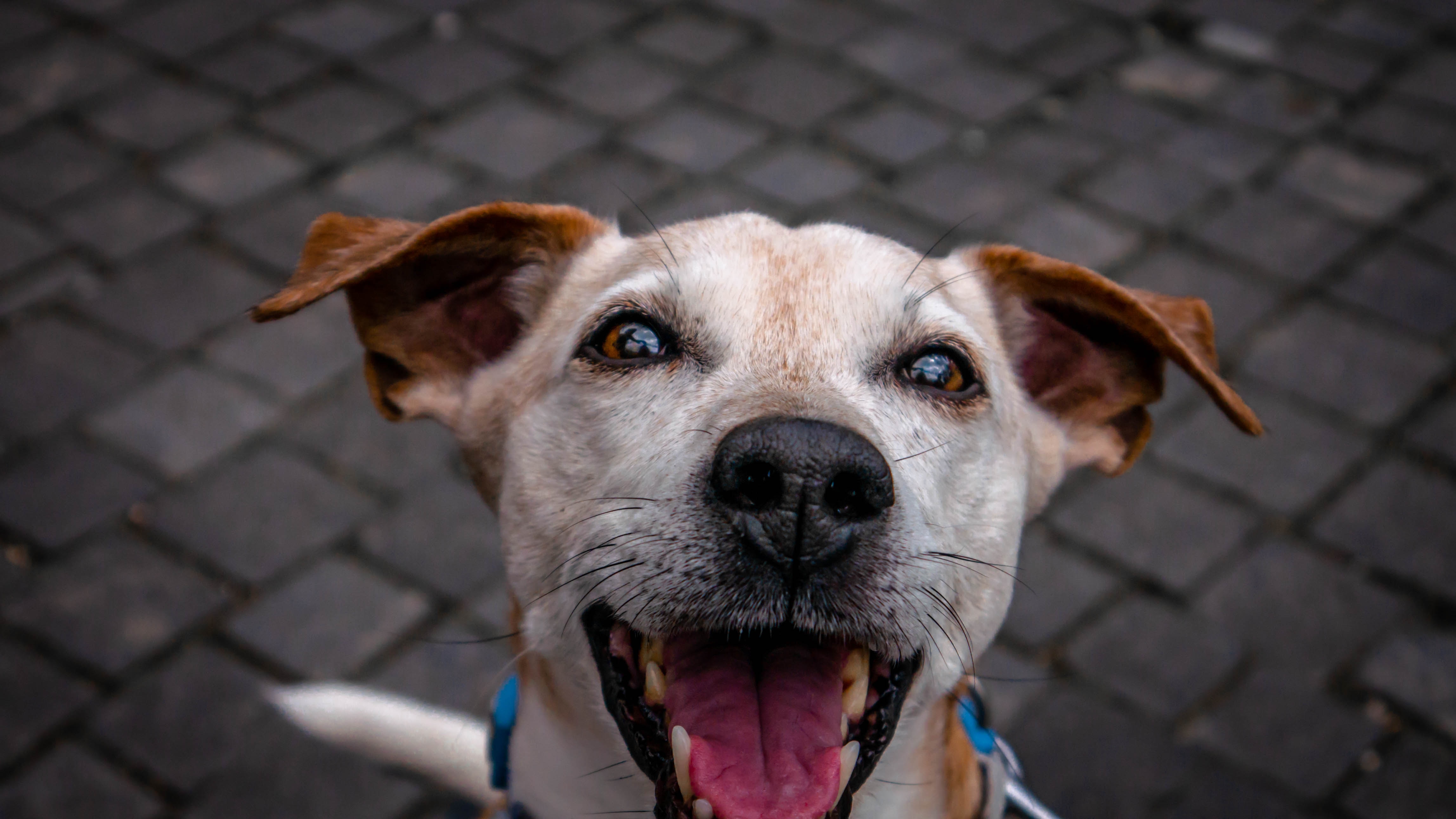
All of this becomes possible when we can proficiently read our pet’s body language. Our pets are communicating with us all of the time through their body language signals and behavior. I’d say that most of us can pick up on big emotional “tones” with our animals. For instance, most people would probably say the dog on the left is “happy” and the dog on the right is “not happy” without knowing the nuts and bolts of dog body language.
 |
 |
| Photo by Kuma Kum on Unsplash | Photo by Daniel Lincoln on Unsplash |
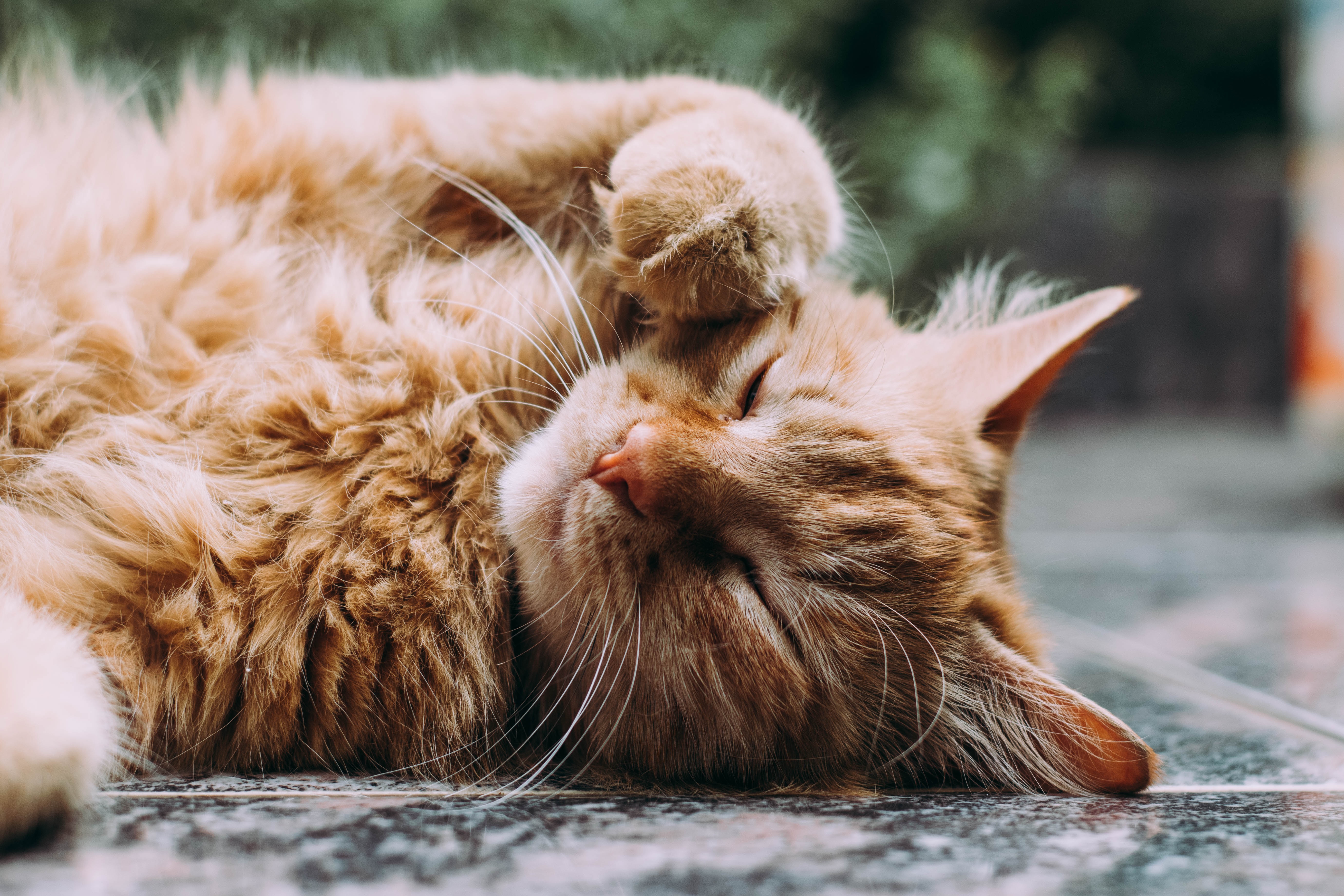
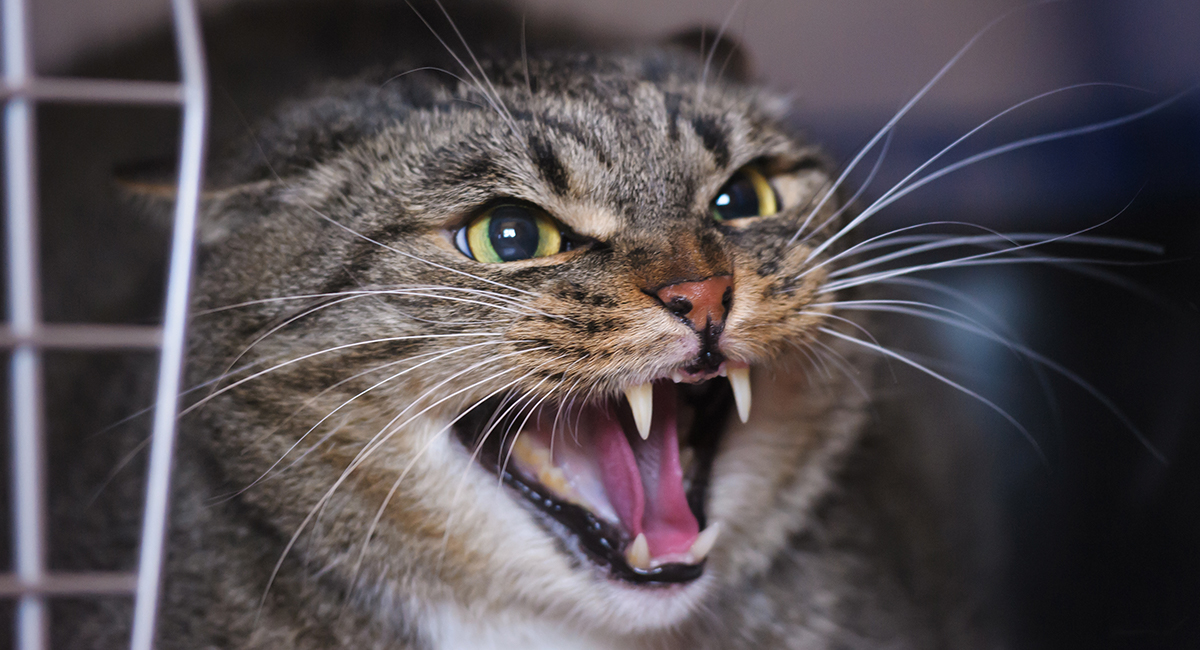
Likewise, “happy” cat on the left and “not happy” cat on the right.
 |
 |
| Photo by Ludemeula Fernandes on Unsplash |
However, if we just leave our understanding at this most basic level we’re missing most of the conversation. It’d be like only learning the tone of voice someone uses instead of learning words and sentences. Their raised voice might be anger or excitement; it can be hard to tell if we don’t know the words. Further study is needed to learn the nuances and subtle differences in communication, like the difference between these two dogs:
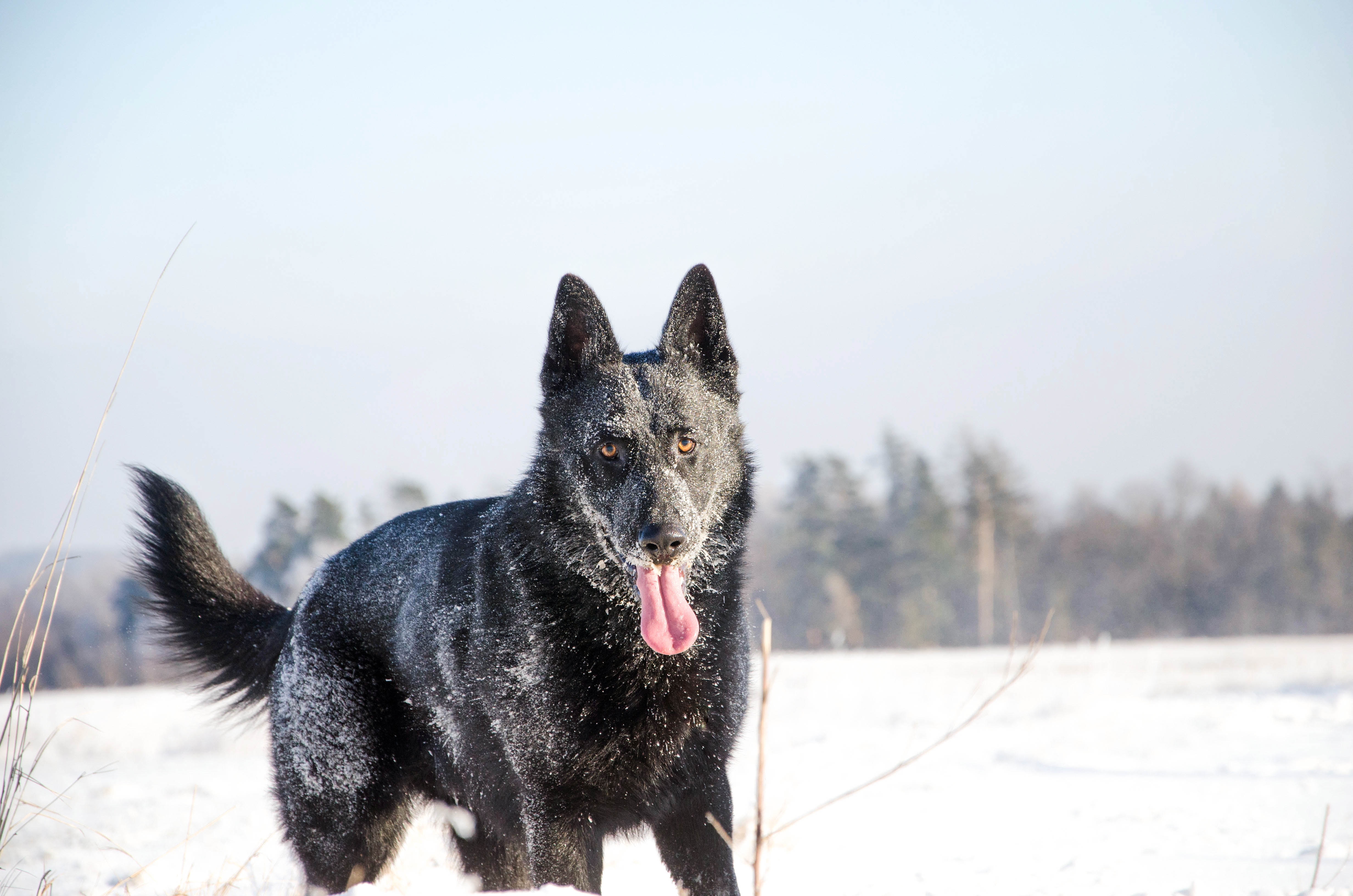 |
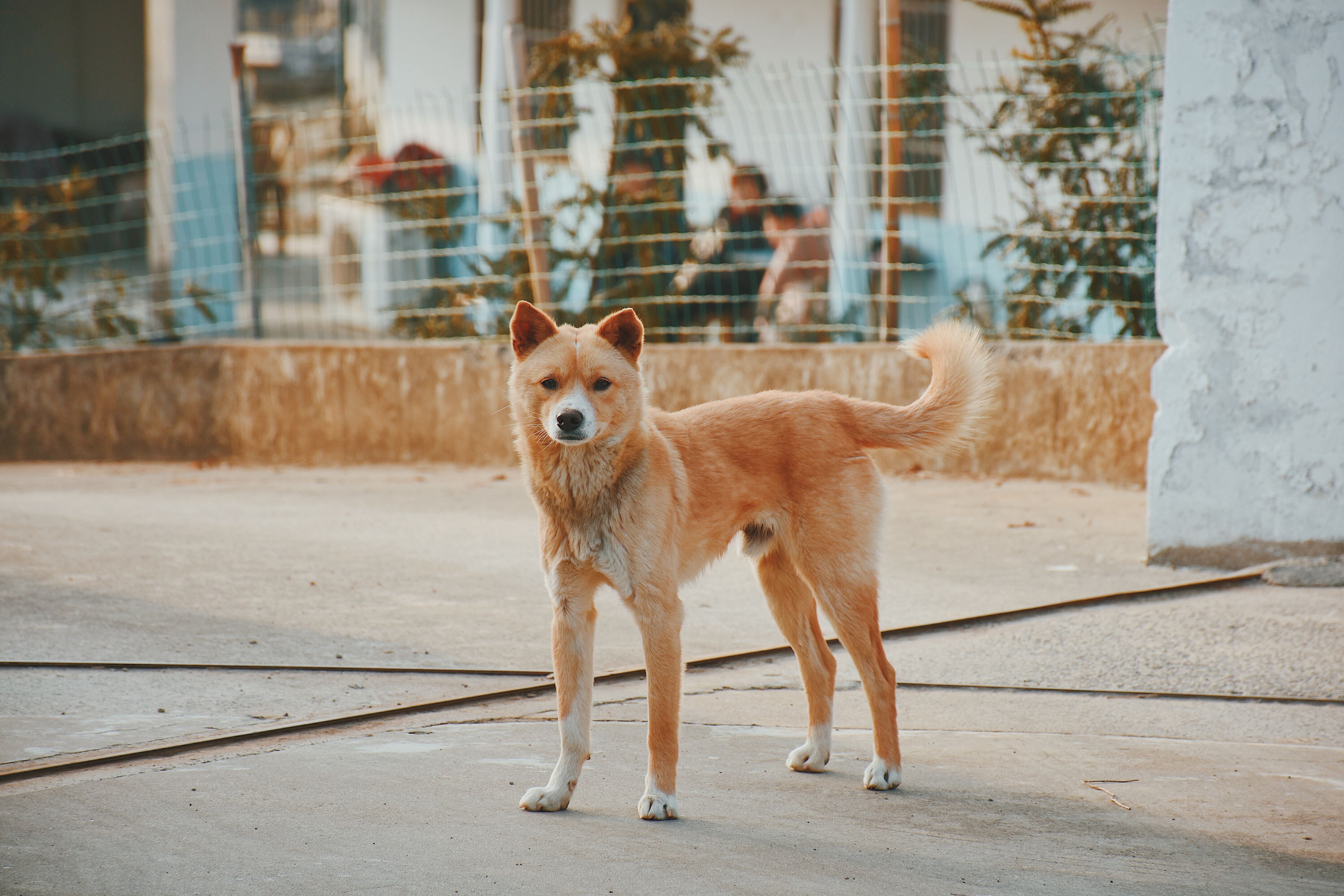 |
| Photo by Anne Dudek on Unsplash | Photo by Sakura on Unsplash |
How can I learn my pet’s body language?
There are three basic skills to being able to proficiently read your pet’s body language:
- Observation: being able to see the signals your pet is displaying
- Knowing the signals: knowing the “words” your pet is using
- Interpretation: understanding how they’re stringing the “words” into “sentences”
Observation is the first step; it doesn’t matter if you know the signals if you can’t see your pet using them! While there are a lot of jokes about observant vs. unobservant people, this too is a skill that can be learned like any other! Here are some tips for beefing up your observation skills:
- Play games! Activities like scavenger hunts, find the difference photos, and even Eye Spy games are great for sharpening your observational skills.
- Observe with all 5 senses. There’s an anxiety-reducing exercise that is great for building observational skills as well: acknowledge 5 things you see, 4 things you touch, 3 things you hear, 2 things you smell, and 1 thing you taste. This will come in handy when we get to the interpretation section.
- Separate observation from interpretation by watching animals you know nothing about. So often we immediately jump to interpretation instead of simply observing what’s going on and taking it at face value. I find it’s easier for my students to do this when they practice watching videos of an animal they’re not familiar with first.
After or alongside building observational skills we can start learning the body language signals. As with anything, there are some great resources and some inaccurate resources on the internet. Here are a few we recommend (check out our recommendations pages as well; we update frequently!):
- Dogs:
- Books (Disclosure: These books are affiliate links. We receive a small commission for purchases made through these links at no extra cost to you. This helps us continue to put out free content to help you and your pets live more harmoniously!):
- YouTube Videos:
- Understanding Dog Body Language by Kristin Crestejo
- Does Your Dog Really Want to be Petted? By Eileen Anderson
- Shut Down Dogs By Eileen Anderson
- Cats:
- YouTube Videos:
- Body Language in Cats by Cats Protection
- 6 Things Your Cat is Saying to You by Jackson Galaxy
- YouTube Videos:
This is by no means an exhaustive list and there are many species missing; email us at info@petharmonytraining.com if you’re looking for resources on a different species! Here are some tips to help you observe your pet’s signals:
- Focus on one body part at a time. For an entire day solely focus on your pet’s ears and nothing else. The next day focus on your pet’s mouth, and so on. Become proficient reading one part then move on to the next.
- Video your pet. Watch and rewatch the video focusing on different body parts and signals. How many do you see when playing it frame by frame vs. at normal speed?
- Practice! Learning another language takes time and practice, plain and simple. The only way to see more signals is to practice frequently.
Interpreting body language signals is not always black and white. A yawn may be a stress signal one minute and related to sleep in another minute. This is where interpretation comes in. We must always remember, though, that our interpretation is just that. It’s not a 100% accurate fact. It’s our best guess as to what the animal is experiencing and we will not really be able to confirm our assumptions with our pets. As such, it’s important that we always make training and behavior modification decisions based on observable behaviors instead of our interpretations.
This step is the hardest because we can’t verify our answer to see if it’s right. This might be a step that you prefer to leave to a professional (which is a great call!) Here are some tips to help you become more proficient at interpreting your pet’s signals if you’d like to do so:
- Stick to simple interpretations like comfortable vs. uncomfortable. The more involved your interpretation the more likely it is to be incorrect.
- Observe your pet’s entire body. Is their body language overall comfortable or uncomfortable? Are you seeing multiple stress signals in a row and/or simultaneously?
- Watch for the cause and effect in your videos. What happens before and after your pet displays certain signals? Remember to observe with all of your senses.
- Watch videos of animals interacting together. One of the best ways to glean conversations in another language is to listen to native speakers! Again, watch for the cause and effect.
- Get a professional’s (or twos or threes) opinion. Professionals have simply watched a whole lot of animals and that helps build a mental database that we can reference against, so to speak. That doesn’t mean we don’t get it wrong too. We just have more experience observing different individuals.
Now what?
- Identify which step you should start with: observation, learning the signals, or interpretation.
- Build the habit into your day. Devote at least a few minutes each day to becoming fluent in your pet’s language.
- Try the above steps and do some research on your own. Get your friends and family involved so you can practice with them, too!
- Move on to the next phase when you feel confident in the one you’re currently on.
- Check out our Setting Yourself Up for Success: Behavior Modification Basics course for more info on canine body language.
- Reach out to a professional for help. Pet Harmony routinely offers body language seminars in person and if you ask us nicely at info@petharmonytraining.com we’ll consider a webinar sooner rather than later for y’all 😉
Happy training!
Allie