Nuisance Behaviors? Try the Water Principle.

Warning: does not contain actual water.

Last week we revealed our April 2020 Training Challenge: Explore DIY Destructible [Trash] Toys. Check out our blog post with more info on that challenge here. In that post, I mentioned that this can be a great option for dogs who shred inappropriate items, like tissues, paper towels, bedding, etc. This week, I want to talk more about that concept– working with your pet’s natural behaviors– by first talking about martial arts.

The martial arts style of Hapkido follows three principles, one of them being the “Water Principle”. While that principle can have multiple meanings, one of them is that of water flowing down a hill. When the water reaches a rock, it flows around it. It’s easier to simply flow around the rock than to push against it

One of the things that we seem to forget when we bring animals into our homes is recognizing that they’re a different species with different needs. What’s natural and normal for them is not natural and normal for us, and vice versa. Many of the behaviors that we label as “nuisance behaviors” are really just a difference in what different species think of as “normal”. 

We ask a lot of our pets. We ask them to essentially abandon what is normal to them in order to live in our society in a way that we deem appropriate. Perhaps it’s time that we start to loosen the reins and allow some room for their natural behaviors, too. 

That can sound scary. It doesn’t have to be! We can work with our animals’ natural behaviors instead of asking them to change them: the Water Principle. It’s easier to give our pets items that they’re allowed to destroy instead of expecting them to never destroy things. It’s easier to provide chewies than to expect them to never chew. It’s easier to provide a digging pit than to tell them they’re never allowed to dig again. We can work with our pets’ natural behaviors instead of against them. We already do that by providing cats with scratching posts, so why can’t we do that with all the other natural behaviors as well?

One of my favorite ways to do this is by letting dogs jump to teach them not to jump on visitors. You had to read that sentence over a few times, right? It doesn’t seem like it could make sense. But it can! For young, high-energy dogs it’s often unrealistic to expect them to remain in a sit-stay or even just keep all four feet on the floor when guests come over. Even after quite a bit of training I see these dogs need to get in just that one jump, and then they can sit-stay like a pro. 

In these cases, I say, “let ‘em!” Let’s teach them to jump up to a hand target, away from the person, to get those couple of jumps in before asking them to remain on the floor. 

It looks like this:

Oso demonstrating a “jump to hand target” behavior.

The dog gets to jump, like they want, and the person doesn’t get jumped on, which is what we want. Win-wins like this happen when we work with our animal’s natural behaviors, instead of against them. Flowing around the proverbial rock just makes sense.  

Now what?

  • Think about the behaviors your pet does that you don’t like. Is there a way to let them perform those behaviors more appropriately? (Hint: almost always there is!)
  • Set up the environment to allow them to perform those behaviors in a more appropriate way (aka: management). Encourage them to choose the appropriate option by making it easy for them to do so and reinforce the heck out of that decision. 
  • Start training! Oso didn’t immediately jump up to the hand target when I first got him; he had to learn how. Ask your trainer or behavior consultant for help with this if needed!
  • How do you already apply the Water Principle to your pet’s behaviors? Tell us in the comments!

Happy training!

Allie

When Should We Be Concerned About “Fine”?

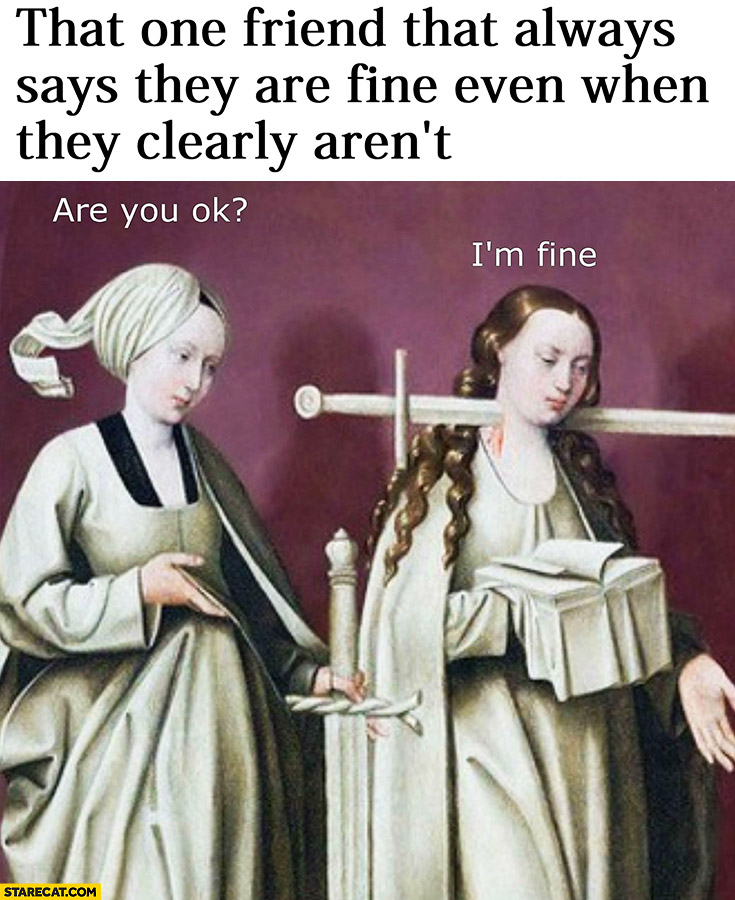
I’ll admit, I’ve had an issue with the word “fine” for longer than I’ve been involved in animal behavior. The reason for that is fairly perfectly summed up in this meme:

But I digress. Onto how this relates to animal behavior!

Something I hear frequently is:

“I don’t get it. He tries to bite people normally but is totally fine when they take him in the back at the vet clinic!”

When I hear this, I ask my client more questions about that scenario: what sort of body language do you see at the vet? Does your pet seem fearful or is he totally happy and excited to be there? It’s almost always the former. In that case, I have to break some bad news to my clients: their pet is not actually fine. 

A bit about thresholds

We’ve talked about thresholds before in our “Does Your Pet Have Mountain Lion Brain?” post. Essentially, it’s that line in the sand where under threshold your pet is okay and above threshold they’re in fight-or-flight mode (this is an overly simplified version; I recommend Eileen Anderson’s blog post to learn the nuances). However, our pets have more options than just fight or flight when they’re over threshold. Freeze is a third option. 

What does “Freeze” look like?

A quick note before we continue: there’s also a body language signal that we refer to as “freeze”. That type can be a bit different than the “freeze” option over threshold that we’re currently talking about. 

Over threshold, “freeze” looks like when a rabbit spots you crossing their path. They get very still, as if they’re saying, “If I don’t move then you can’t see me and won’t eat me!” This is true for our pets, too. Freeze looks like a stiff stillness. One of my favorite resources to help my clients understand this important distinction between “fine” and “freeze” is this video from Eileen Anderson (note: while shut down and freeze are technically different, the concepts are similar enough for our purposes at the pet parent level):

https://www.youtube.com/watch?v=5CyH0RHWYsU&t
Thank you Eileen for letting me link to your video here!

As you can see, there are very subtle differences between “fine” and “freeze”. It’s easy to see why many people don’t spot what’s happening! 

Why is “Freeze” Not Fine?

At this point when I’m talking to my clients, they often ask me if this is really a big deal. Their pet is not actively aggressing, nor running away, and the clinic staff is able to do what they need to do for the health of their pet. Why is that not okay? The answer is dependent on who you ask. 

From the human point of view, everything is okay. We’re able to perform the tasks we needed to to keep the pet physically healthy and we were able to do so safely. It’s a win-win for the humans! From the pet point of view, however, it’s definitely not a win-win. They’re still scared and over threshold, which can feed into other aspects of life. For instance, a client recently told me that her dog had major regressions in all of her anxiety-related behaviors, including light/shadow chasing, reactivity, and aggression, after she came back from a tooth extraction, even though there were no negative reports from the clinic. Behavior doesn’t happen in a vacuum; many seemingly unrelated things do impact one another. 

Experiencing these traumatic (again, from the point of view of the pet and not the human) and unavoidable events can lead to learned helplessness. This is a state where an individual has learned that nothing they do affects their outcome so they choose not to do anything when put into stressful situations. I mentioned the vet clinic, but I also see this happening at groomers and even at dog parks and doggy daycares. 

There’s a whole host of negative mental and physical side effects from learned helplessness, from disrupted sleeping patterns to increased anxiety-related behaviors. We talk a ton about this in our book in the Agency chapter if you’re interested in this topic. In short, “freeze” is definitely not okay from the point of view of the pet’s mental and behavioral health. 

What can I do?

The good news is that your pet will tell you when they’re uncomfortable and, in most situations, we can advocate for them! The above video excellently showcases different dogs in this shut down state but it’s up to us to learn our own pet’s body language to know what it looks like for them. 

When you see your pet entering that zone, take a moment to assess the environment and situation. What is your pet responding to? I’ve been using a vet visit as an example but this can happen in other situations, too. For instance, when I first adopted Oso he would choose “freeze” during thunderstorms. How can you manage the environment in that moment to alleviate your pet’s stress? 

And, of course this wouldn’t be a training and behavior blog without recommending training! When you know what is making your pet uncomfortable you can work on helping your pet feel more comfortable in those situations. Above I stated that when I first adopted Oso he would freeze during thunderstorms; that’s because we worked through that fear using counterconditioning and he is no longer as frightened of them. There’s no reason for him to freeze because it’s not that scary. That is the true win-win. 

Now what?

  • Continue learning your dog’s body language and stress signals. Here are a couple books to help you with that (these are Amazon affiliate links. We receive a small commission for purchases made through these links at no extra cost to you. This helps us continue to put out free content to help you and your pets live more harmoniously!)
  • When you see your pet choosing “freeze”, assess the environment and situation to determine what the triggers are. Make a note of those. 
  • Work with your behavior consultant to determine the best course of action for working through your pet’s fears. While it’s possible to do this on your own, your behavior consultant should help you do this in a way that is effective, ethical, efficient, and empowering so that you don’t have unintended consequences down the road. 
  • Work through your pet’s behavior modification plan and see those true win-wins roll in!

Happy training!

Allie

Does Your Pet Have Mountain Lion Brain?

Have you ever said something like:

  • Treats won’t work if he’s barking.
  • Nothing works when he sees another dog!
  • She won’t pay attention to me when she’s like that. 
  • If you have, then this post is for you!

A Little Bit of Body Language

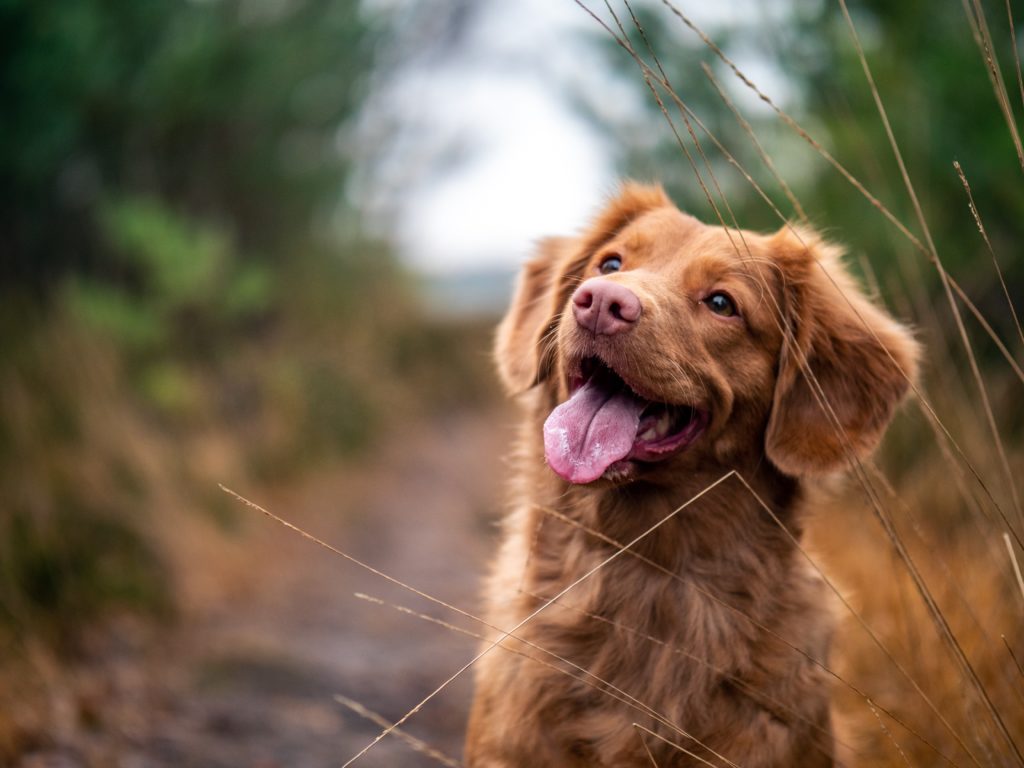
Before we get started and I explain what the heck “mountain lion brain” means, we first need to define one term: threshold. Threshold refers to that line in the sand where underneath the line your animal is “okay” and over the line they go into fight-or-flight mode. This is an overly simplistic view (for a more in-depth discussion as to types of thresholds check out this article) and there are more options over threshold than just fight or flight, but for our purposes in this post this definition will suffice. Essentially, under threshold can look like this:

Close up of copper colored spaniel with floppy ears and pink panting tongue with blurred background of vegetation
Photo by Jamie Street

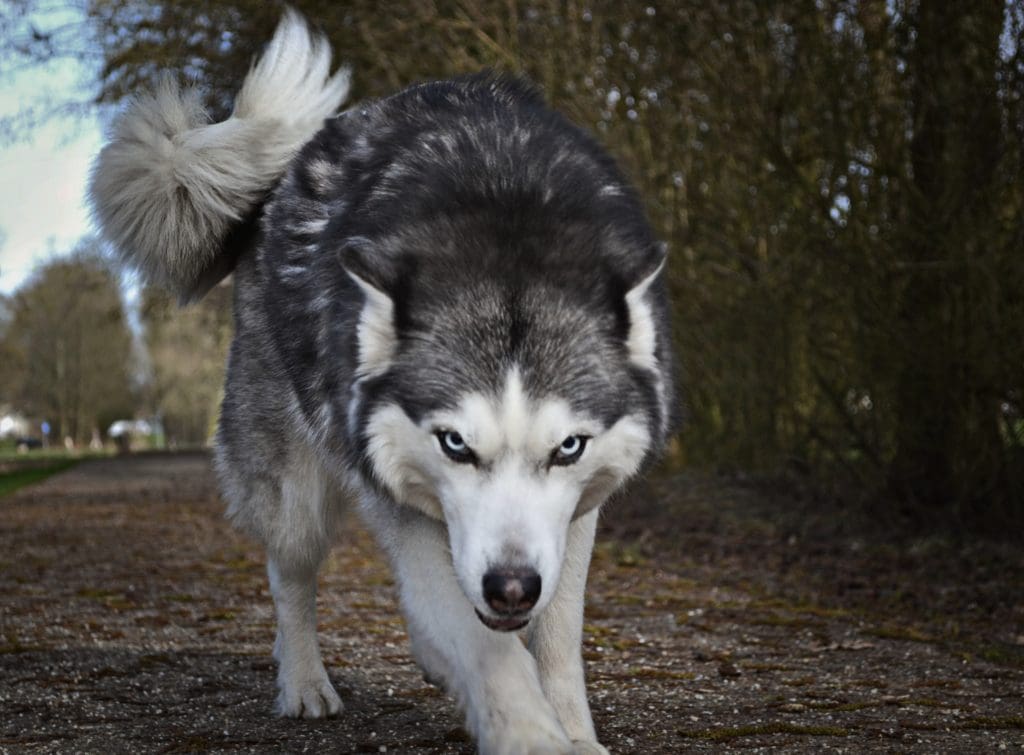
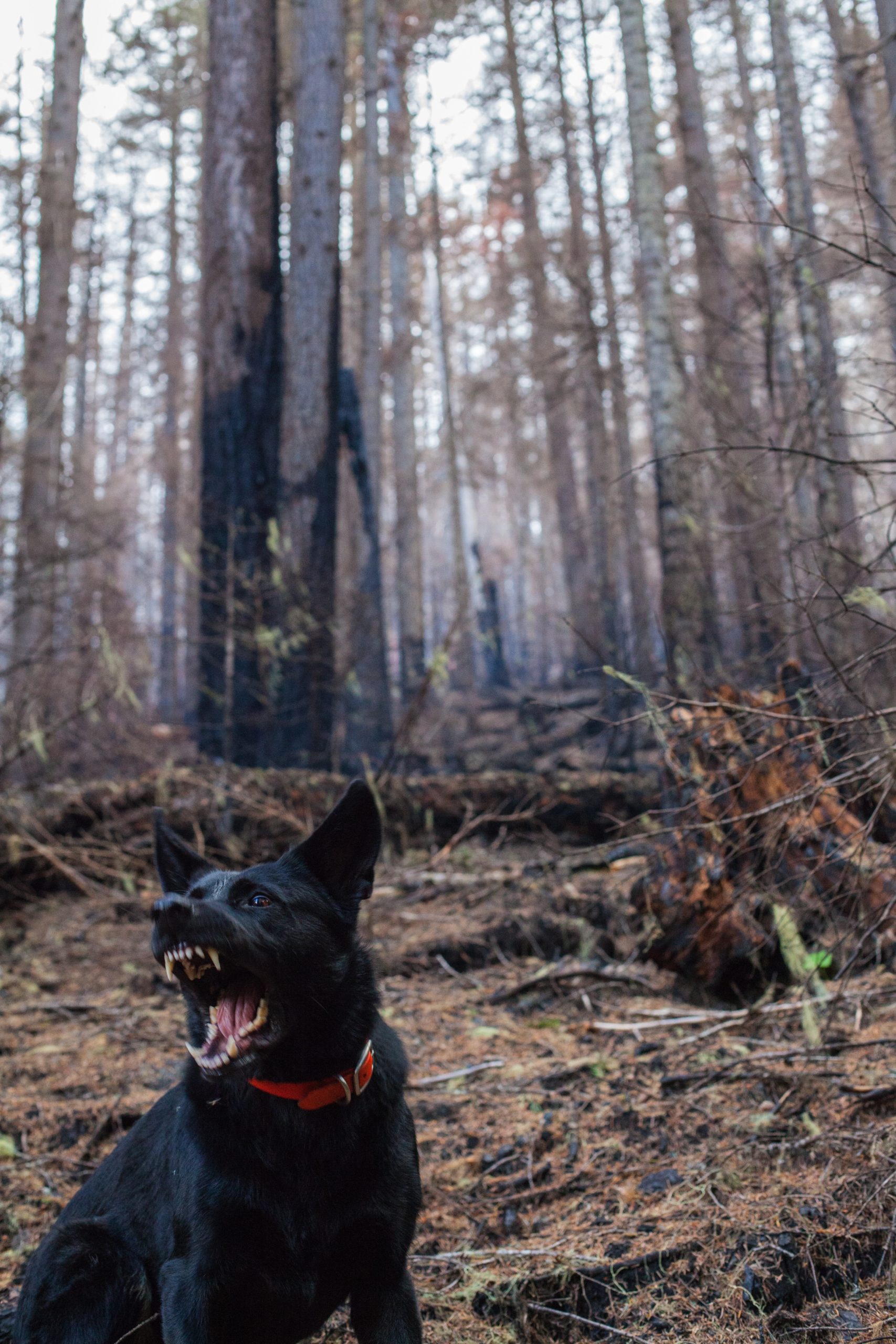
While over threshold can look like this:

A black dog with pointed ears, slightly turned to the sides, round eyes, tense facial features, open mouth with lips pulled back to show teeth. Dog is wearing a red collar and is in front of a fall woodland background.
Photo by Nick Bolton

Or this:

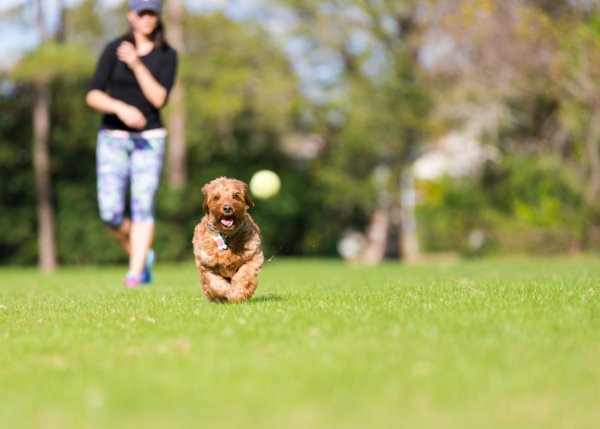
A brown puppy chases a ball, running through the grass. Their hair is blown back as they run. Mouth is open, ears are back.

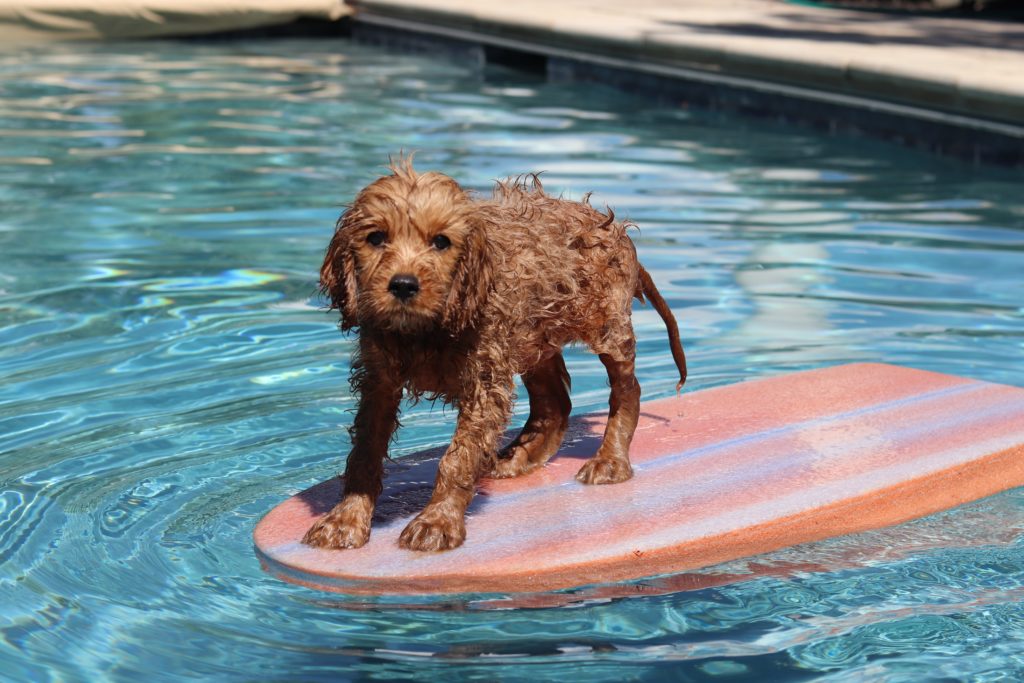
Or even this! (I mentioned there are more options than fight or flight; freeze is another option.) 

(Photo by Mia Anderson) A small, soaking wet yellowish dog with a somewhat curly coat with large floppy ears standing on top of a small surf board on water. The dog's weight is shifted back and spine is slightly arched and body appears stiff.
Photo by Mia Anderson

Understanding thresholds and what your particular animal’s body language looks like below and above threshold is imperative to successfully working with them, especially for those working on fear, anxiety, reactivity, and aggression. One of the reasons for this is that learning– or at least the type of learning that we typically think of with training– does not happen over threshold. This is another overly simplistic and inaccurate statement for the true science pros in the audience, but it’s true from the eyes of the average pet owner. This is why your dog won’t take treats or sit when he’s reactive. It’s why nothing works at that moment. 

I call this over-threshold state, “Mountain Lion Brain”. You have willingly come to this webpage and are hopefully comfortable and able to absorb the material. However, if you were being chased by a mountain lion and I ran up alongside you and asked if you’d like to learn about your pet’s behavior, the answer is no! You couldn’t possibly learn while you’re being chased by a mountain lion. You have “Mountain Lion Brain”.

That over-threshold state is not conducive to learning for you or your pet. Your pet is not stubborn, or stupid, or has selective hearing when they’re over threshold. When they’re experiencing “Mountain Lion Brain”, the fear/strong emotions center of their brain takes over and essentially shuts down the learning and reasoning parts of their brain (overly simplistic but you get the picture). They’re not learning because they can’t. 

Sometimes when I explain this, a client will ask me, “But he’s not actually in danger. Why does he still have “Mountain Lion Brain”?” A good question! Threats are not always physical and they’re not always “real” from an outsider’s perspective. For example, public speaking is one of the top fears of people across the world. There is no actual, physical threat in public speaking (unless maybe you’re a prominent and controversial figure). The threat is not “real” from an outsider’s perspective, however, can feel very real to the person who fears public speaking. At the end of the day, it doesn’t matter if someone else perceives the threat as “real” or valid; it only matters if the individual experiencing it perceives it as such. Fear doesn’t always make sense. 


What Should I do if my Pet is Experiencing “Mountain Lion Brain”?

The best answer is to remove the threat and/or your pet from that situation. A note: many pets will “redirect” their frustration or fear onto the closest being when they have “Mountain Lion Brain”. This is why many dogs bite their owners for grabbing their collars when they’re reactive. It’s safer to remove the threat instead of your pet. If that’s not possible, please do so with caution and by physically handling them the least amount possible. 

There’s no sense in trying to train if your pet is not going to be able to learn. Make a mental note of your pet’s body language leading up to threshold, what the involved triggers were, and anything else of consequence so that you can avoid those situations in the future. Your behavior consultant will be able to help you make a plan to work on behavior concerns under threshold, where both you and your pet will be safer and more successful. 

Now What?

  • Learn your pet’s body language approaching threshold. This step is so important that we give it to almost every client as one of their first homework tasks. This helps to make your pet’s behavior more predictable to you. 
  • Identify triggers based on your pet’s body language. Additionally, identify if your pet is able to learn, respond to you, and eat when you see certain signals. That lets you know how close they are to “Mountain Lion Brain” and gives you information as to whether this is a training moment or a management moment. 
  • Find management solutions to keep your pet under threshold. Get creative!
  • Work with a behavior consultant to help you with any of the above and to come up with a solution to working on your pet’s behavior concerns under threshold. Contact us at info@petharmonytraining.com to work with someone from our team!

Happy training!

Allie

Your Pet is Not Like Your Car

A few months ago my car was intermittently making a strange noise. I had to take it in for an oil change anyway so I set up an appointment for a couple weeks from then. The morning of the appointment my husband reminded me to tell them about the noise (which I hadn’t heard since I scheduled with the mechanic). I responded, “With my luck, it won’t make any noise and they won’t be able to figure out what’s wrong with it.” I then told him a story about a similar incident where I intermittently smelled something akin to burning rubber when I drove but when I took it in, the mechanic couldn’t smell it and wasn’t able to diagnose the issue. 

And then it hit me. This is why people want to show me their dog’s undesirable behavior. I hear on an almost daily basis statements like:

I want you to come to my house to see the behavior. 

I hope we see dogs on our walk so you can see what he does. 

I’m worried she’s going to act perfectly when you’re here. 

Let me show you what he does.

All of these boil down to the desire that people have for me to see their pet doing the behavior that they want to change. And, on an almost daily basis, I respond with:

I don’t need to see your pet’s behavior in order for us to work on it. Actually, we’re going to manage the situation so that we hopefully don’t see it! 

That statement is usually met with skepticism and a look that says, “What do you mean you don’t want to see the behavior?” And while I’ve always understood that it’s a foreign concept for most in our society to address behavior issues before they happen instead of relying on consequences, I didn’t understand why it was truly so difficult to overcome the desire for me to see the behavior. That is, I didn’t understand until I said the exact same thing about my car. 

It dawned on me at that moment that there are issues that truly can’t be diagnosed without the problem happening in front of the expert. An optometrist needs to administer a vision test. The IT person asks to remote into the computer to poke around. The mechanic says that they can’t diagnose an intermittent smell because everything else looks okay. Most of us have a long learning history that reinforces this thought process that the expert needs to see the problem in order to develop the solution. We also have a learning history that says that when an expert doesn’t see the problem, we’re stuck with it. 

So why doesn’t your behavior professional need to see the behavior in order to modify it? Here are 5 reasons for us at Pet Harmony:

  1. We’ve seen it before, and we believe you. Because we have spent years studying the behavior sciences and their practical application, we understand the underlying causes of various behavior issues without needing to see them happening. We’ve worked with thousands of animals with maladaptive behavior over many years and assign our consultants based on what they’ve experienced and worked with. We know what questions to ask in order to develop a behavior modification plan for individual pets and can “see” the behavior in our heads. Only once in a blue moon do we get asked about something that none of us have seen before. In those cases we’ll often ask our clients to video the behavior, if it’s safe to do so, and/or refer them to a Veterinary Behaviorist. 
  2. Safety. We work primarily with aggression, reactivity, anxiety, and fear. In order to keep you, your pet, the public, and ourselves safe, we need to manage the environment so the animal can’t perform unsafe behaviors. If the pet’s problem is biting people then we definitely don’t want to see that!
  3. Mitigating stress levels. Once your pet passes a certain point, their brain is not receptive to learning. This is why people tell us that nothing works when their dog is reacting or they’ve tried using food in training and it didn’t work. If we want to start teaching the animal different exercises in our session then we need to keep them calm enough that they will be capable of learning. 
  4. Practice makes perfect. The more an animal (ourselves included) practices a behavior, the better they get at performing it. If our goal is to decrease the unwanted behavior, we don’t want them to continue practicing and perfecting it. This is why management (arranging the environment so the animal doesn’t perform the unwanted behavior) is so critical to behavior modification. 
  5. We can change unwanted behavior before it happens. There are several options to changing behavior and many of them can be implemented before the animal does the undesirable action! For example: if you don’t want your dog jumping on you, you don’t have to wait for him to jump on you to start training; you can train before he jumps and save yourself the frustration. 

Now what?

  • Take a few minutes to let this concept soak in: we don’t need to see your pet behaving badly to change their behavior. How do you feel about that? Relief? Skepticism? Email us at info@petharmonytraining.com if you’re still unsure! 
  • Consider the plethora of service options that open up knowing that we can help without being there in person. Is there actually a service that makes more sense for you than in-home sessions?
  • Are you struggling with other dog behavior problems? Learn about behavior modification and how you can get relief here.

Happy training!

Allie

December 2019 Training Challenge: Focus on Completing Your Yearly Goals

It’s time for our last training challenge of 2019! Your December challenge is:

Last chance for 2019 goals

For those of you who’ve participated in our training challenges from the very beginning (before this blog existed!) you know that our January challenge was to create 1-3 2019 goals for your pet. With the end of the year rapidly approaching it’s now or never to complete those this year! If you joined us later in the year (welcome!) then your challenge is to come up with just one goal for this month and complete it. 

Here’s how Oso and I are doing on our goals:

Our 2019 training goals

As you can see, there are some things that we did well and some things that we didn’t do well. He’s done awesome with his vet visits this year but I definitely did not do one happy vet visit each month. Something we can aspire to next year! I still have time to finish his Western Hold Up trick so you know what we’ll be working on this month. 

If you’re like me and you know there’s a goal that you definitely won’t complete this year, here’s what I recommend doing with it:

  • Reevaluate how important it is. Do you want to try it for next year or scrap it altogether? There’s no shame in scrapping! 
  • Identify your barriers to performing that goal: the real reasons, not excuses. I could easily say that we moved this year and that’s why I didn’t do one happy vet visit per month, but the real reason is that it makes me anxious to take him because of his past behavioral history from years ago. Even though he’s made leaps and bounds of progress since we adopted him I need to work on that more for me, not him, and my comfort level. After that I can return to our happy vet visit goal.  
  • Think about your process instead of your goal. I’m currently reading a (so far) great book called Atomic Habits by James Clear(this is an affiliate link). One of the big points it makes is that if we focus on a process, like “train 5 minutes per day”, instead of a goal like “have a better trained dog” that we’ll be more successful. For those of you who participated in our October “Train 5 Minutes Every Day” challenge you know how true that is! 

Now what?

  • Get training and have fun! Don’t sweat it if you don’t finish everything on your list. There’s always next year!

Happy training!

Allie

5 Tips for Your Pet’s Best Halloween

My favorite holiday, Halloween, is almost here! But while this holiday is often a favorite for humans it’s rarely a favorite for pets and that makes it stressful for their owners. The doorbell ringing all night often sends our pets into a loud tailspin. It’s a battle to get to the door when pets are crowding it. And let’s not forget the pets who get into the bowl of Halloween candy when no one is looking.

Let’s make this year different by following these 5 simple tips:

  1. Put your pets away. There’s no reason your pet absolutely needs to greet trick-or-treaters or attend your Halloween party (unless contraindicated for separation anxiety). If you’re worried about your pet running out the open door or how they’ll act around people in costumes then let them hang out in another room for the evening. Many will thank you for leaving them out of the commotion! 
  2. Drown out the doorbell. Some people go as far as to disconnect their doorbell or simply turn off their porch light and leave a bowl of candy out, but if you’d like to participate in trick-or-treating then leave the TV or music on for your pet so they can’t hear the doorbell.
  3. Update your pet’s ID tags and microchip info. Better safe than sorry! 
  4. Put candy bowls out of your pet’s reach. Pets are opportunistic and just because something is toxic to them doesn’t mean they won’t ingest it (like humans and alcohol). This might mean setting the bowl not right near the front door to keep it out of reach.
  5. Create an airlock around the door. Set up a freestanding gate around your front door to create an airlock that you can get in but your pet can’t. You can find some of our favorites on our Amazon storefront! (Disclosure: We receive a small commission for purchases made through these links at no extra cost to you. This helps us continue to put out free content to help you and your pets live more harmoniously!)

Happy Halloween!

Allie

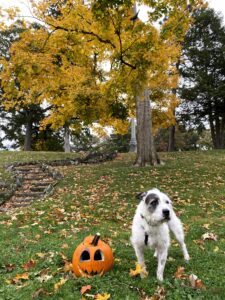
A scruffy white and dark grey dog standing in front of a tree with yellow fall foliage. There is a deflated jackolantern next to him.
You don't have to feel as deflated as Petey's jack-o-lantern this Halloween!

Now What?

Want some more ideas for helping your pets during the chaos of holidays? Here are a few posts from our team:

If you want more enrichment and training tips delivered directly to your inbox, join our email list! Keep up with the blog, podcast, and events too. 

Copyright 2025 Pet Harmony, LLC. All Rights Reserved.

Terms & ConditionsPrivacy Policy

Results are not guaranteed because behavior, human, canine, or otherwise, are not guaranteeable.