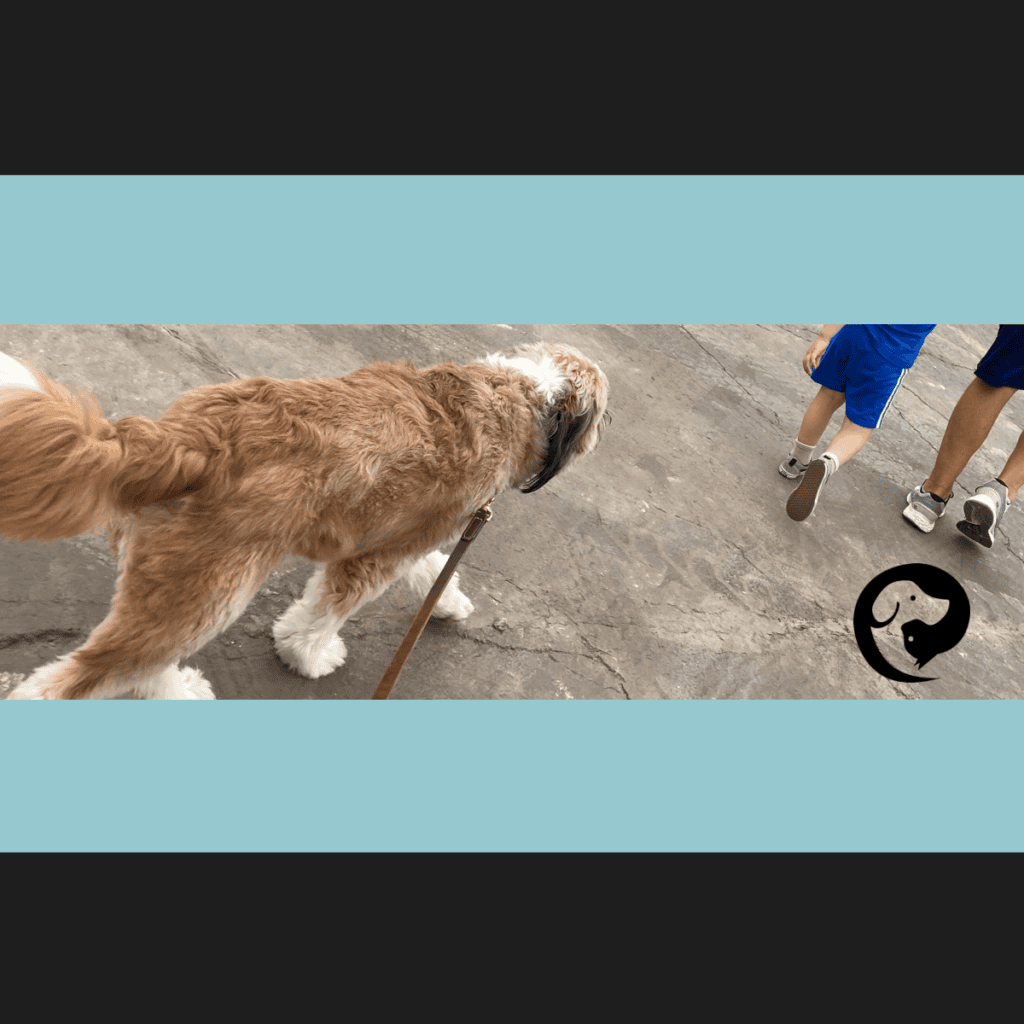
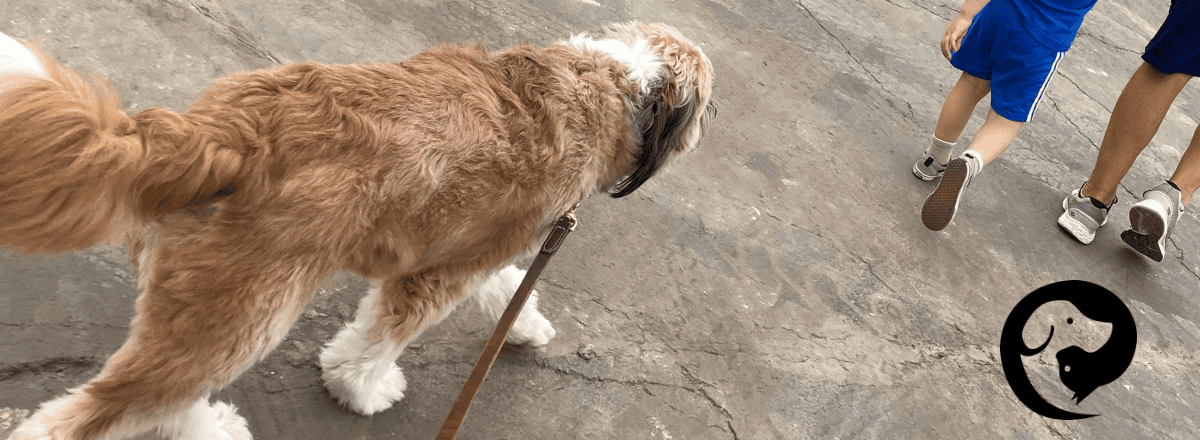
Opie, a fluffy brown dog, walking with his family.

Sniffari or Sorry, Can’t Party?

Opie, a fluffy brown dog, walking with his family.

Sniffari or Sorry, Can't Party? Managing Dog Sniffing on Walks

Estimated reading time: 4 mins

Why are we taking our dogs on a walk? Physical exercise? Mental stimulation?  Because we think we should? Side note: I once read an article on heart.org about all these wild health benefits of having a dog. It didn’t directly link the scientific studies that contributed to these claims, but it’s enough reasoning for me to feel good about sharing our lives with these furry family members.

This blog is about walks, but it starts a bit further down the walking journey.  Your pup already (read: usually) walks on a loose leash.  Your dog finds value in being by your side.  Your dog isn’t insisting on having a conversation with the neighbor dog crossing the street.  For more tips on working with leash reactivity, check out this blog by Allie.

This blog is specifically all about the sniffing aspect of walks.  You’ve consumed enough or our content  to realize that allowing our pups to sniff is beneficial on so many levels; however, it can be one of the hardest competing reinforcers when working on walking.  One of the longest conversations I have with families who are working on loose leash walking is sparked by the question: “What is the point of your walk?”  Once we unpack the answer for that, it makes training (and expectations) a whole lot clearer.

Defining Our Terms

  • Competing reinforcers – things in the environment that hold rewarding value (like sniffing another dog’s pee on a bush) and pull attention away from the intended reward (usually treats).

So...what's the point of the walk?

My family is a walking family.  We’ll take two-a-day, maybe more.  It’s our favorite way to exercise our dog because we enjoy getting out of the house, and Opie took to the activity with very little reactivity (but a lot of pulling for the first year). Once we decreased the pulling, there was just one more thing that left me more frustrated by the end of the walk than when we started.  The incessant sniffing.  And pausing.  And more sniffing.  And shoving his nose into the dirt as he repeatedly clears his airways. 

We like to think that before we got him, Opie was this heroic Search and Rescue dog and he’s just reliving his glory days on the force.  That works with calming me down sometimes, but certainly not always.  I remember one midwestern winter walk when I broke down in tears because I was so cold and tired and my fingers hurt and I didn’t feel like waiting for his sniffing to stop. I honestly screamed to the heavens “come onnnnn whyyyyyy.”  It wasn’t my finest moment, but we’ve moved on.

Finding the happy medium

So something needed to change.  I needed to reflect on why we were going on walks, what benefits I wanted Opie to experience, and why a walk suited us better than other exercise.  After a bit of reflection, I realized that we can come to a happy medium with Opie’s sniffing desires.  I want Opie to get as much sniffing as he can, but I needed a cue to let him know that we need to get moving and wonderful things still await us ahead. I trained a countdown cue that I now use when he’s starting to sniff too long for my schedule.

Before going on a walk with Opie, I find I get the most enjoyment out of the walk when I know what my expectations are.  I’ll do a quick check on how I’m feeling, what Opie’s day has been/will be like, and I set out knowing if today is going to be a “sniff to your heart’s content” or a “we gotta get a move on.”  This way, before we even close the garage door, I’m prepared for the training that needs to happen and can communicate with my pup accordingly.

There are so many types of walks, some may be for exercise, some for relaxation, some for mental stimulation, and some just to… complete a bodily transaction.  The type of walk may change based on the path you take through the neighborhood that day, the people/creatures that are out, the time of day, the time you have, the weather, etc.

Now, while you are the one who typically gets to decide what type of walk it will be, remember, most of the time, these walks are for our dogs.  The walks should always be something that completes their stress cycle, not something that gets them more worked up.  It should be something that satisfies their needs, not something that we force them into.  It should be something that allows them to do doggy things like sniff and explore. In any case, before you head out, make sure you get in the right mindset about if the walk is going to be a Sniffari, or a Sorry, Can’t Party.


Here’s to harmony,

Corinne

Now What?

Reevaluate what you want your walks to look like before you go for each walk. Note the ways we communicate to our pups if they can go on a Sniffari (sniff to your heart’s content) or if time is tight and it has to be a Sorry, Can’t Party (gotta keep it moving).

Ask yourself:

  • Why are we going on walks?
  • What benefits does my dog get out of the walk?
  • How can we reinforce our pups for choosing to move forward when we need to get moving instead of sniffing that tapestry of scents?

And if you need help with a plan, we’re here for you!

PS: Capitalism

Want to support our free, public content? Check out our Amazon shop. It’s full of enrichment and pet care items (that we really, actually use). Our team spends a significant amount of time working on content every week. We love it! But we’re also out here trying to pay our bills. 

*  Pet Harmony, LLC is a participant in the Amazon Services LLC Associates Program, an affiliate advertising program designed to provide a means for sites to earn advertising fees by advertising and linking to Amazon.com.

Copyright 2025 Pet Harmony, LLC. All Rights Reserved.

Terms & Conditions, Privacy Policy

Results are not guaranteed because behavior, human, canine, or otherwise, are not guaranteeable.

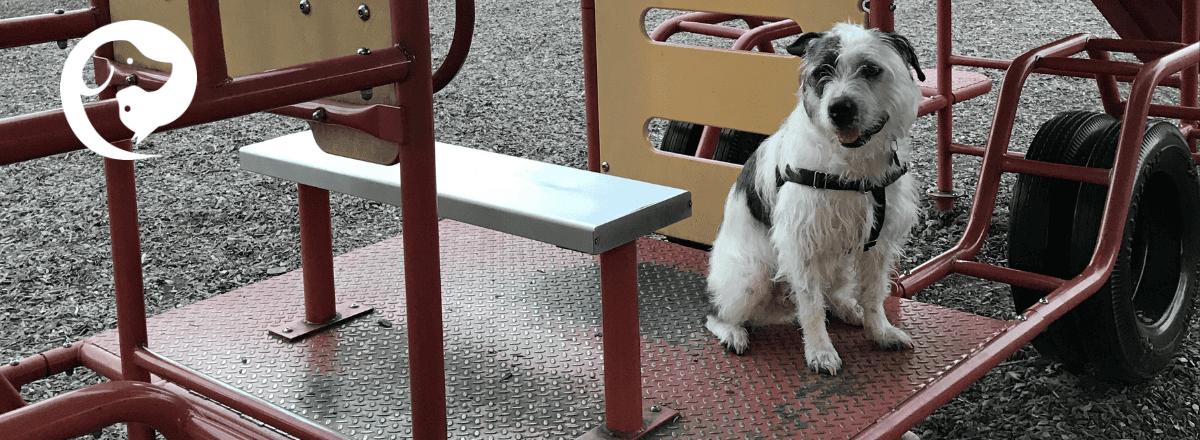
A dog wearing a black harness (freedom harness) sitting on some playground equipment.

Walking Equipment I Love for Pullers and Harness Houdinis

A dog wearing a black harness (freedom harness) sitting on some playground equipment.

Walking Equipment I Love for Pullers and Harness Houdinis

Estimated reading time: 4 mins

Has your dog ever slipped out or almost slipped out of their harness? It’s a scary experience, and one you’re not likely to repeat! I get a lot of questions about harnesses:

  • Which are my favorite?
  • What helps with pulling?
  • What can my dog not slip out of?

Let’s talk about all of these!

What’s my favorite harness and what helps with pulling?

Hands down, the answer to both questions is the 2 Hounds Freedom Harness. 

A great-fitting harness

This harness has more places for adjustment, which means that it fits more canine body types better. The only types of dogs that I haven’t been able to fit well in a Freedom Harness are really little dogs. 

There are two places to clip the leash on this harness, so two points of contact for the leash(es).  Clip the leash to the chest, the back, or both the chest and back. I like that for two reasons: 

  • One harness can serve multiple purposes. Puller? Clip to the chest. Really big puller? Clip to both the chest and the back. Sensitive throat and otherwise great on leash? Clip to the back. This is a harness that can grow with your dog, so to speak, from their days mimicking a sled dog into their golden years.
  • Many trainers talk about using multiple points of contact to increase communication. While I haven’t seen research on this (yet!), I do find that clients feel like they have more control with multiple points of contact.

A functional harness

My largest point of contention with most no-pull harnesses is that they’re not effective because they don’t fit well. The premise of a front-clip harness is that when the dog pulls the harness and leash will turn their shoulders, thus losing their forward momentum. But if a front clip-harness doesn’t fit well then the harness moves and the dog doesn’t and he keeps pulling forward.

Because the Freedom Harness fits better I find that it works better. Plus, when you attach the leash to both the chest and back it helps the harness work even better than just clipping to the front alone. 

Side note: clipping the leash to the back of the harness allows a dog to put more of their weight into pulling forward, which usually means a sore arm for you. That’s why sled dogs use back-clip harnesses. 

A harness my clients love

I can count the clients who haven’t loved this harness on probably two hands, and more than one had Great Danes (so now I usually recommend head halters for them, even though I don’t love those as much in general). After helping my clients properly fit the harness and showing them how to use it, I’ve had very few who haven’t loved it. And at the end of the day what works best for me is what works best for the people I’m helping! 

The only thing that I don’t love about this harness is the leash that it comes with, which is a leash that has one handle and two clips. Oso is a long dog and the leash was too short for him; I would trip over him when I used it. The simple solution was to just use two regular leashes.

What harness can my dog not slip out of?

That’s a harder question because the answer is: none of them. I haven’t seen a single harness that has been escape-proof. If there is one out there then the industry is keeping it a well-hidden secret! 

All is not lost, though! There is a setup that can help with escape artists: safety clips and martingale collars. Martingale collars are notoriously the most difficult piece of equipment for dogs to escape from when they’re fit properly. I routinely recommend them because of this. 

What is a safety clip?

A safety clip is just something that attaches the harness (or head collar) to the collar, or the leash to both the collar and harness.

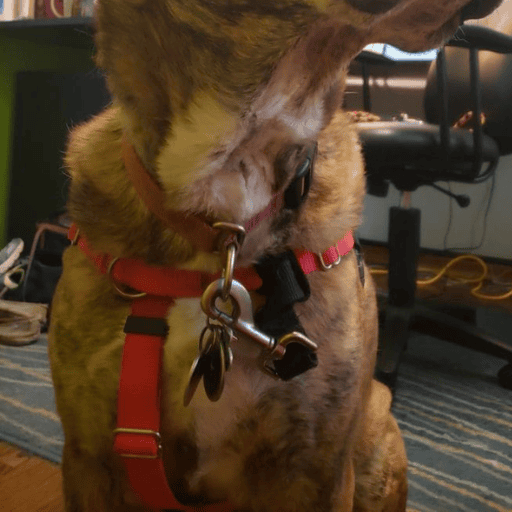
Oso’s safety clip is just a bit of leash that was cut and tied to the harness and clips to his collar. Double ended clips work well, too! 

The premise is that if the dog slips out of the harness or a buckle breaks (which can happen with any plastic buckle) that the dog is still connected to the leash. You still get to use a harness while you’re training your dog to walk on a loose leash and you get the peace of mind that they can’t escape the setup. Win-win!

Close up of a brindle dog's neck with a safety clip attached to the front of his harness and his collar.

Oso’s safety clip: a section of leash tied to the front of his harness and clipped to his collar.

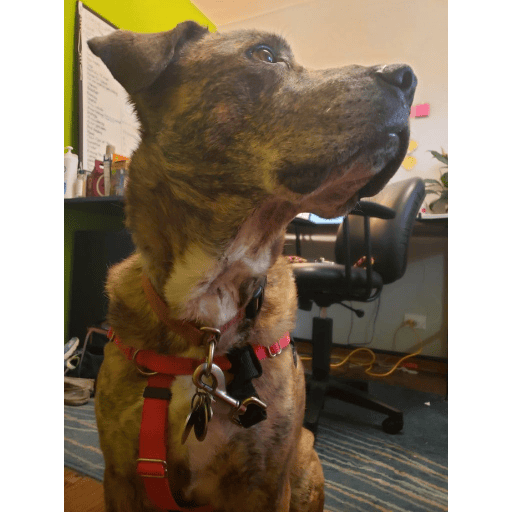
A close up of a brindle dog looking away from the camera.

Handsome Oso and his setup.

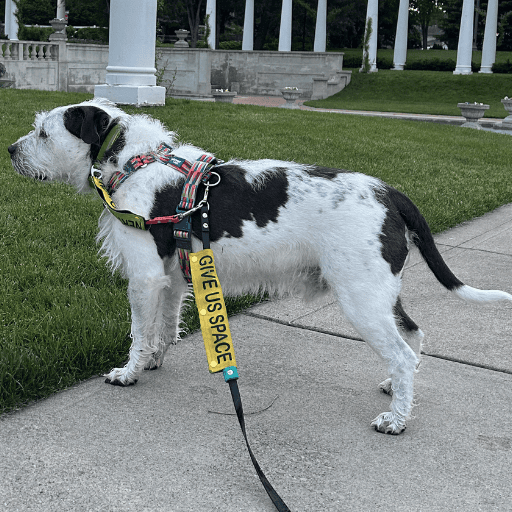
A scruffy white and dark grey dog in a harness and leash. There is a safety clip running from the base of the leash to his collar.

Petey’s safety clip: A double-ended clip goes from the leash (the metal loop where the leash’s clasp is affixed to the leash) to his collar.

Here’s to harmony,

Allie

Now What?

Be honest. Do you and your dog love your dog’s walking equipment? Why or why not? If not, double check that you’re following the manufacturer guidelines for fit and use. When I hear of people who don’t love the Freedom Harness it’s usually because they’re just attaching the leash to the back instead of attaching to both the chest and back. 

If you don’t love your dog’s walking equipment, is there something out there that would work better? Make sure that any equipment does not rely on pain, force, fear, or intimidation. 

If your dog doesn’t love their walking equipment, is there something that would work just as well that they’d like more? Have you worked on training with the equipment to alleviate their discomfort?

Is the equipment still necessary? Many people choose to use a no-pull harness while they’re working on loose leash walking training with the goal of being able to eventually walk their dog on their flat collar alone. Others choose to use a harness throughout their dog’s life to keep strain off of the neck. Either way, consider if your equipment is still serving the intended purpose and, if not, look into something else. 

Looking for help with loose leash walking? Book a free discovery call!

PS: Capitalism

Want to support our free, public content? Check out our Amazon shop. It’s full of enrichment and pet care items (that we really, actually use). Our team spends a significant amount of time working on content every week. We love it! But we’re also out here trying to pay our bills. 

*  Pet Harmony, LLC is a participant in the Amazon Services LLC Associates Program, an affiliate advertising program designed to provide a means for sites to earn advertising fees by advertising and linking to Amazon.com.

Copyright 2025 Pet Harmony, LLC. All Rights Reserved.

Terms & Conditions, Privacy Policy

Results are not guaranteed because behavior, human, canine, or otherwise, are not guaranteeable.