
Instead of forcing your reactive dog to “face their fears,” try flight training (teaching them to choose to move away from scary things on cue), which builds agency instead of dread. You’ll get the step-by-step process for pairing a flight cue with rewards and applying it to real triggers, plus an answer to the common worry that moving away might reinforce fear (spoilers: it doesn’t). The real goal isn’t eliminating fear, but building coping skills.
Tag: reactive dog
5 Ways Your Dog’s Leash Reactivity Starts Before You Leave
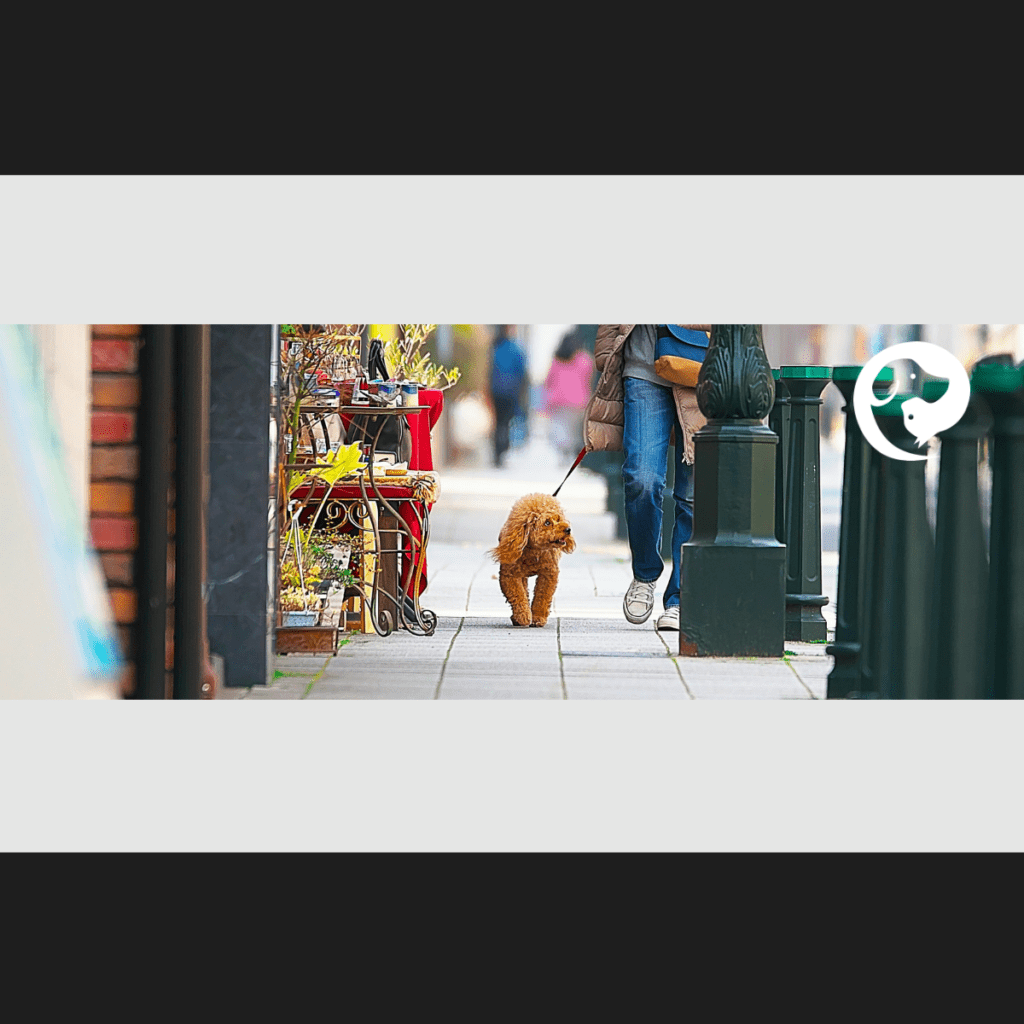
Your dog’s leash reactivity often has less to do with the sidewalk than with everything leading up to it. Here are five hidden triggers to check: undiagnosed pain or GI discomfort, disrupted routines and sleep loss, stacked stress hormones from the prior 72 hours, tense gear or pre-walk rituals, and your own anxious energy. You’ll also find long-term calming projects as a solid Plan B for days when your dog’s “stress cup” is already full and a walk isn’t the answer.
How to Simplify Walks With Your Reactive Dog
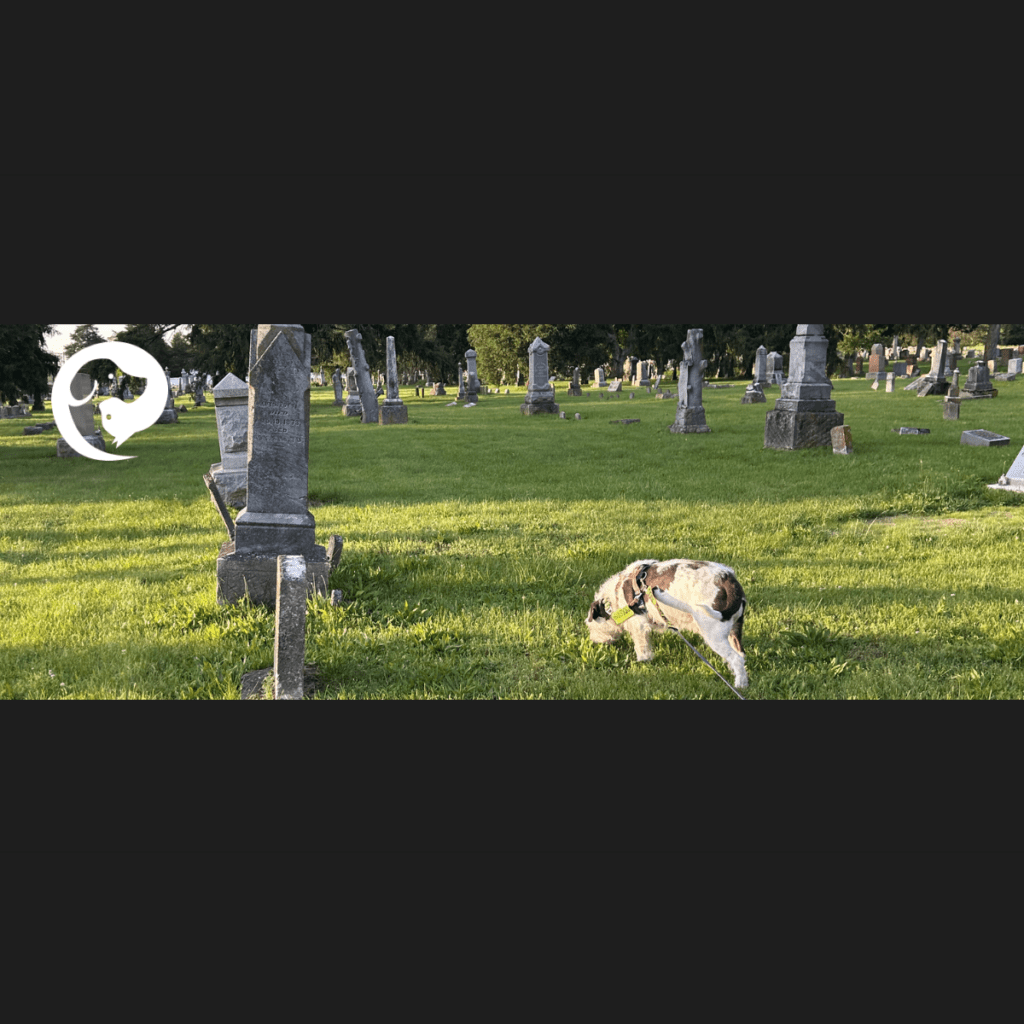
Walking a reactive dog is a lot. Treat pouch in one hand, leash in the other, constantly scanning for triggers. Here’s how to plan ahead: choosing predictable, low-contact locations, scheduling walk time around your own bandwidth, and prepping calming projects for after. You’ll also find the specific gear that makes walks manageable, what behaviors to reinforce along the way, and permission to celebrate small wins. Because life with a reactive dog is rarely simple, and that’s okay.


Is Your Safe Space Actually Safe?
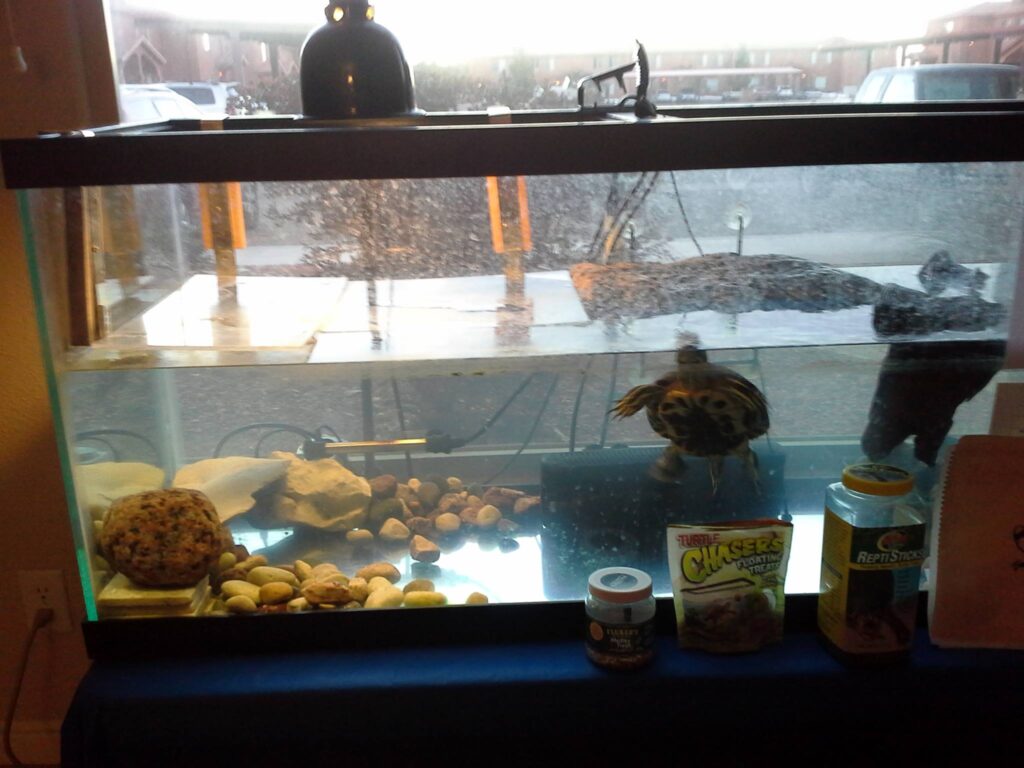


Data Tracking: Finding a Method That Works For You
Behavior change is hard enough without adding in another piece of homework like data tracking. There are so many factors and contributors to behavior; we can look at antecedent arrangements, learning history, health, species-typical behaviors, the list can go on and on!
So how do we collect information in a way that is helpful and manageable to our behavior change journey?
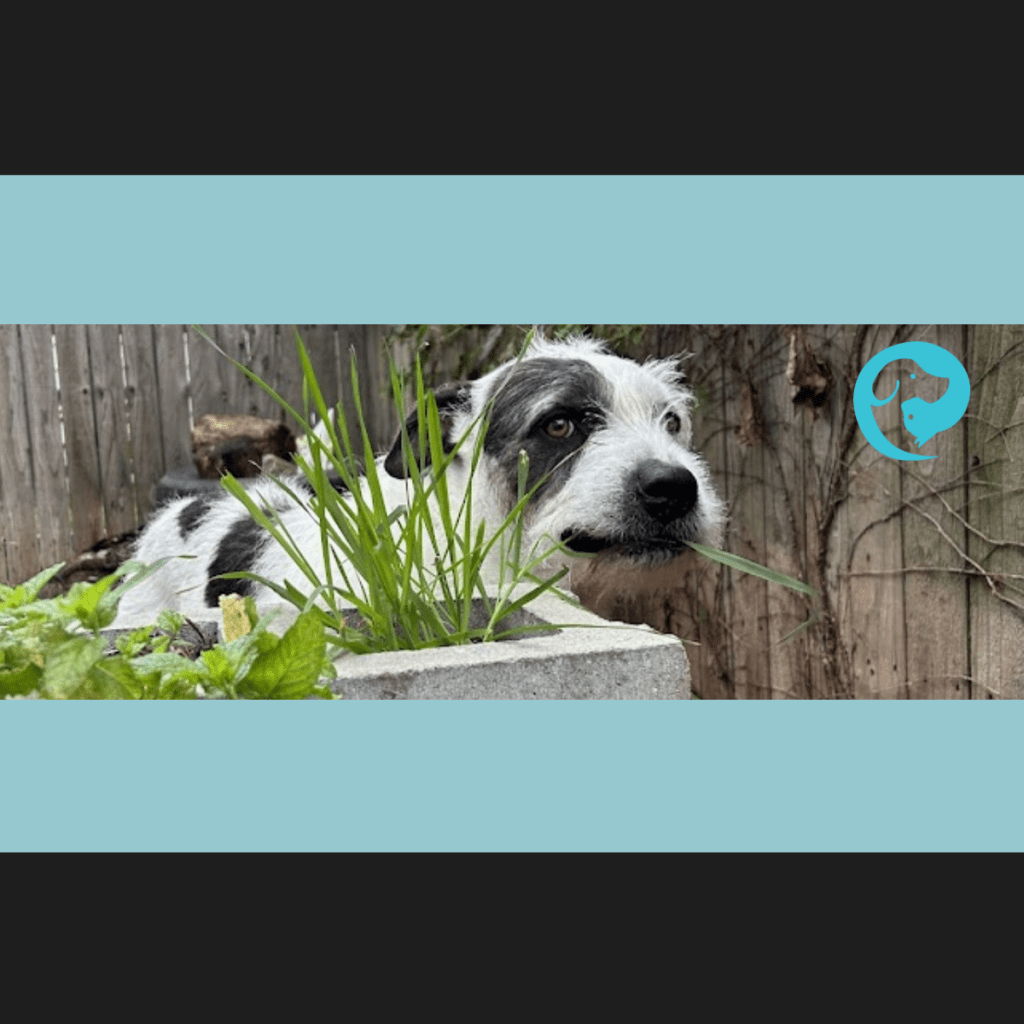
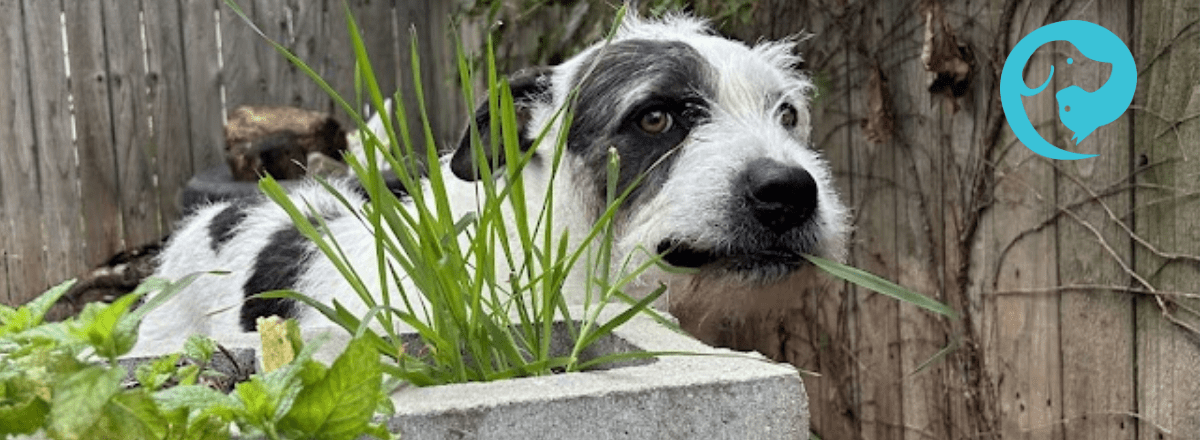
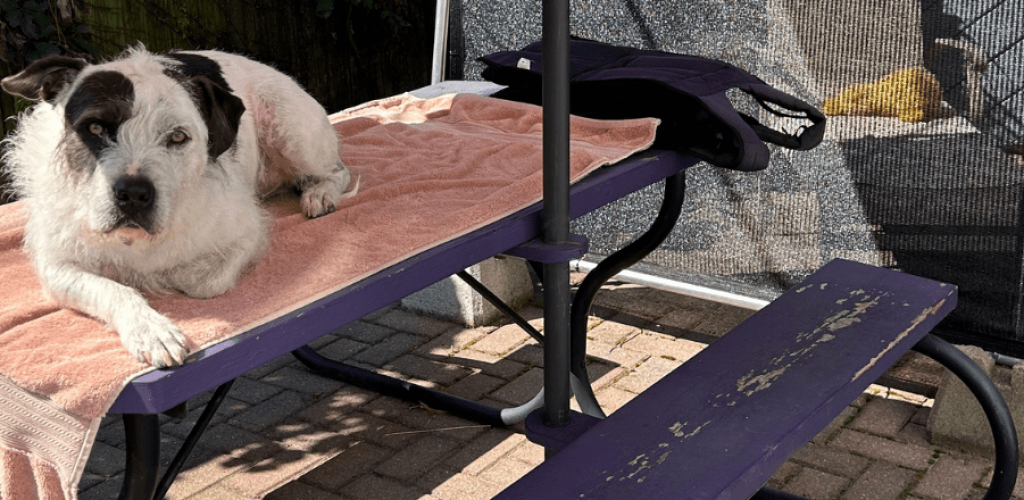
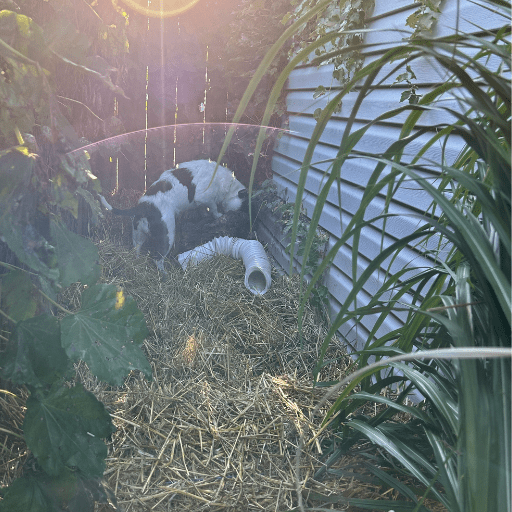
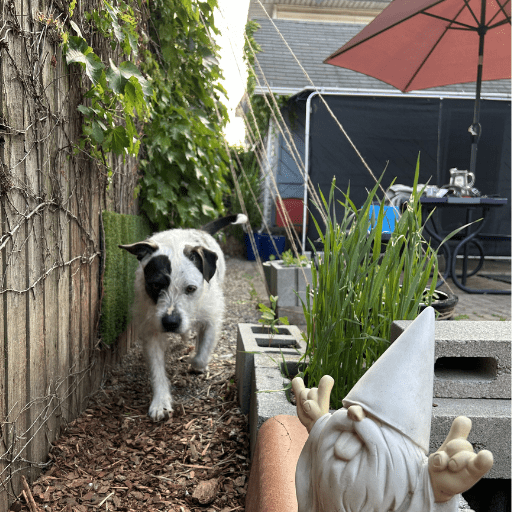
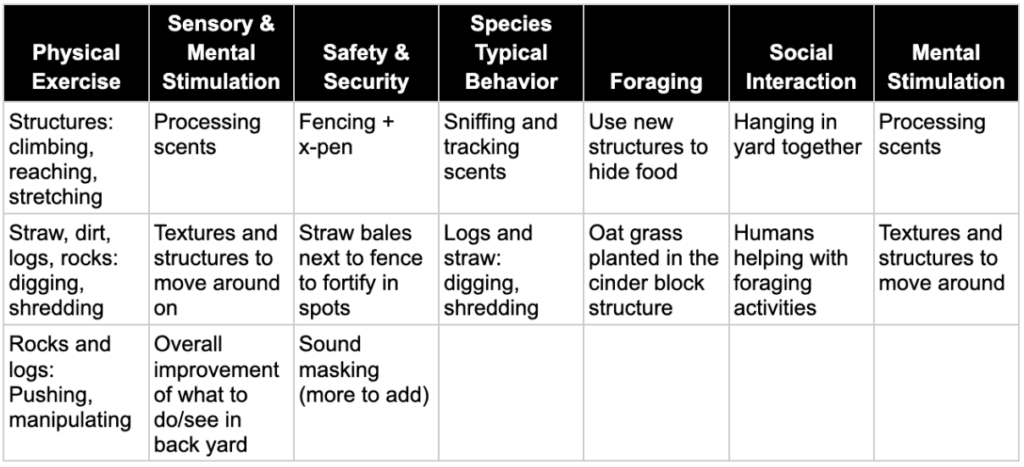
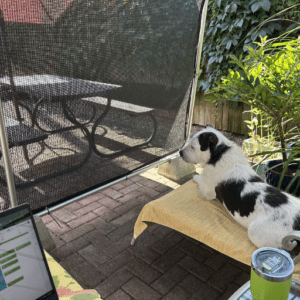
For the Benefit of Mister Pete: Creating a Sensory Garden in a Small Backyard