
When was the last time you went to a concert? For me it was a couple weeks ago. I was positively delighted with the opening band, which, let’s be real, sometimes you never know if it’s gonna be your thing. Then the support crew came out to get ready for the main act. Sound checks, moving equipment, making sure everything is just right. The headline band was of course phenomenal. All in all: 5 star show, super rad time. But it wasn’t only thanks to the bands. Lots of people were responsible for the amazing show that was put on that night. From booking agents to sound and lighting engineers to roadies and tour managers. It takes a whole village of people to set the band up to shine.
Backstage Pass: Meet the Collaborative Crew Behind Your Pet’s Veterinary Care
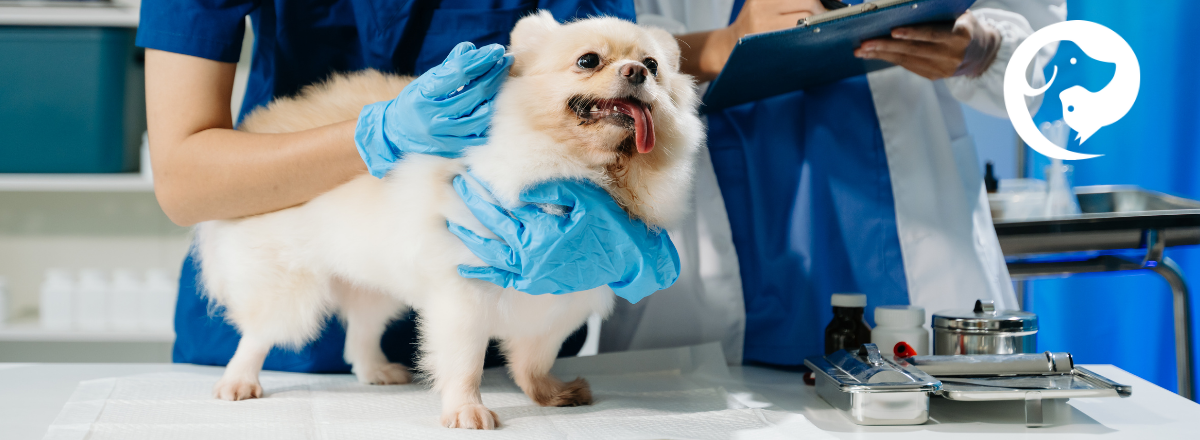
When most pet parents think of “the vet team,” the image that comes to mind is usually the veterinarian—the person front and center in the exam room. But just like a great concert, the magic of veterinary care doesn’t happen because of one performer. It happens because a full backstage crew is working in sync to keep the show running smoothly.
In this world, your pet’s veterinarian may be the lead singer, but your pet’s health is supported by an entire ensemble—skilled technicians, trained assistants, sharp-eyed lab teams, and dedicated behavior professionals. Together, they form a collaborative, passionate veterinary care team tuning, testing, adjusting, and harmonizing for one purpose: keeping your pet healthy, comfortable, and thriving. With my past experience as a veterinary technician in specialty hospitals and now in behavior, I have front row seats to this show. And I’ve hooked you up with a backstage pass.
Let’s step behind the curtain and meet the full veterinary “tour crew.”
Veterinarians: The Lead Vocals of Your Pet’s Health
General practice veterinarians often take center stage—they’re the main voice you hear, the one guiding you through wellness, illness, and everything in between. They:
- Perform wellness exams
- Administer vaccines
- Diagnose and treat illnesses
- Handle dental cleanings and many surgical procedures
- Offer guidance on nutrition, behavior, and overall health
Veterinarians also coordinate with veterinary specialists, behavior teams, and other providers to keep every part of your pet’s care in harmony.
Specialty Veterinarians: The Featured Artists
When your pet’s health needs go beyond routine care, your primary vet may call in a specialist—like bringing in a special guest artist for a particular part of the show.
These board-certified veterinary specialists have advanced training in:
- Emergency & Critical Care
- Behavior
- Dermatology
- Internal Medicine
- Oncology
- Neurology
- Surgery
- Cardiology
- Radiology
- Ophthalmology
- Anesthesia & Analgesia
- Sports Medicine & Pet Rehabilitation
- Nutrition
My dog Preston is a bit of a trainwreck. When his primary care vet ran out of ideas, we went straight to the specialists. Honestly, I love it. I love knowing that he’s under the best possible care from the most knowledgeable doctor. That’s why specialists exist, to specialize in one specific area, to know it inside and out. Preston has collected more specialists over the years: behavior, dermatology, internal medicine, surgery, radiology, anesthesia. My dog Sprite has had visits with cardiology. My diabetic dog Dash who passed away a couple years back was a frequent flyer with ophthalmology.
Remember, referrals aren’t a sign something went wrong—they’re a sign of excellent, collaborative pet care. I’ve been fortunate enough to work at several specialty hospitals throughout my career. I’ve seen first hand the brilliance of each of these specialists. In just about every hospital I witnessed specialists from all departments collaborating with one another on a daily basis. If your pet is under the care of a specialist for any reason, it’s pretty likely that there are multiple brains converging about their treatment plan. I think it’s pretty cool. I mean, who doesn’t like more guitarists on stage?
Specialty veterinarians will keep your primary care vet in the loop of everything they do. They share medical records, lab results, and future plans. They don’t take over your entire pet’s care, just the care of the main issue you went to see them for.
Veterinary Technicians: The Rhythm Section Keeping Everything Moving
If veterinarians are the lead vocals, veterinary technicians are the drummers and bassists—the backbone keeping the rhythm steady and the show running. In the US, they are either Certified, Licensed, or Registered as Veterinary Technicians depending on the state. This is akin to human nurses being “Registered” Nurses.
Do vet techs do “technical” things with our pets? What does “technician” even mean anyway? Get ready for it: it means they can do anything a veterinarian can do, except:
- Make a diagnosis
- Give a prognosis
- Prescribe medications
- Perform surgery
Their work includes:
- Collecting samples for veterinary diagnostics
- Monitoring anesthesia
- Placing catheters
- Providing nursing care
- Administering medications
- Supporting pain management for pets
- Tracking trends in vitals and behaviorThey wear every possible hat to provide care as directed by the veterinarian.
For me, a lot of my time in specialty hospitals was spent as an emergency and critical care (ECC) technician. I’ll always have a soft spot for ECC teams. They work long hours, overnights, weekends, holidays, in any weather, all the while not knowing what to expect on any given shift.
What I loved most about being an ECC tech was providing round the clock nursing care to extremely sick animals that were hospitalized in the ICU. It made my heart full. My patients (dogs and cats) couldn’t speak to me. They couldn’t tell me what hurts, how they’re feeling, what’s helping, what’s not. Instead we used science and body language to communicate with one another. I placed catheters, started IV fluids, gave medications, monitored vital signs, performed procedures like urinary catheter placement to empty the bladder, nasogastric tubes placement for feeding and suctioning. The list can go on and on. That might be just one stable-ish patient, on a regular day. And no two days were ever the same.
I promise you, every vet tech in every department is juggling multiple things at once. And ask any veterinarian, who will readily tell you: they can’t do what they do without vet techs.
The role of a vet tech is SO vital that every year there’s an entire week dedicated to celebrating their contributions to animal healthcare. This is called “Veterinary Technician Week” and it happens during the 3rd week of October. Be sure to mark your calendars for next year to recognize the hard work, skill, and compassion of veterinary technicians in your area!
Veterinary Technician Specialists (VTS): The Master Sound Engineers
Some technicians pursue advanced credentials to become Veterinary Technician Specialists. These are the sound engineers—the highly trained pros who elevate the entire clinic’s performance. There are lots of specialties from which to choose (just like with veterinarians), but the three specialties with the most members are:
- Emergency & Critical Care
- Internal Medicine
- Anesthesia & Analgesia
Think of these as nurse practitioners on the human side. They spent additional years studying, refining their technical skills, and understanding more about the complex bodies of animals. Their expertise enhances safety, accuracy, and patient comfort. When veterinarians utilize these technicians to the fullest, veterinarians have more time to do “doctorly things” as I call them – do all the things that technicians can’t do.
You’ll often find VTS’s in mentorship roles or educational roles too, speaking at conferences and sharing their knowledge with their colleagues. There aren’t enough of them around, and I hope to see more in the future!
Veterinary Assistants: The Stage Crew Making It All Possible
Veterinary assistants are the stagehands who keep everything flowing. They:
- Comfort and safely handle animals
- Assist during procedures
- Prep rooms and equipment
- Support both technicians and veterinarians
While formal schooling isn’t required, many complete certificate programs to deepen their skills. They ensure every appointment flows, every room is ready, and every staff member can do their job effectively. Most vet techs and veterinarians start in this role, especially when they’re unsure if they want to commit their whole future to veterinary medicine. I can say from experience, it’s an excellent and valuable platform from which to start!
Behind-the-Scenes Teams: The Unsung Heroes of the Show
Some team members aren’t seen by pet parents, but their impact is huge.
Lab Teams: The Audio Engineers of Diagnostics
When Preston’s appetite started to be finicky (the start of YEARS of investigating his GI issues), his internal medicine team recommended bloodwork right away. The blood sample itself was sent to the lab for processing. Lab professionals handle critical veterinary diagnostics, analyzing:
- Blood
- Urine
- Cytology
- Biopsy samples
Their fast, accurate results let veterinarians uncover subtle issues. You probably won’t ever talk to the lab team as a pet parent. They tend to communicate with the vet who sent them the sample of what’s being tested.
Imaging Teams: The Visual Tech Crew
Preston’s internal medicine team also recommended an abdominal ultrasound to get more insight into his GI issues. This was referred to the imaging crew. These teams generate the “internal photos” that guide diagnosis and treatment through:
- X-ray
- Ultrasound
- CT
- MRI
Their work helps identify fractures, tumors, organ changes, and more. Depending on the hospital, pet parents may or may not have direct communication with this team. But this team is absolutely talking to the vet that referred you in the first place.
Rehabilitation Teams: The Movement Coaches
Shocker: Preston has not seen the rehab team….yet. As he’s gotten older I’m noticing he’s slower going up the stairs, and his front leg is sometimes shaky on walks. We’re changing up his pain meds, but I think mobility focus is in his future.
Rehab veterinarians, rehab techs, and fitness professionals use techniques like:
- Strength and mobility training
- Hydrotherapy
- Laser therapy
- Manual therapy
Their focus is restoring comfort, motion, and confidence—key elements of pet rehabilitation.
If rehab is recommended for your pet, you’re talking to the rehab team for sure. You may or may not be present during the session. But you’ll be a large part of homework and mobility to be done at home. And you will play a large role in helping to gauge progress.
Nutrition Teams: The Meal Managers
We finally have Preston’s appetite and GI symptoms well controlled. At this point if there are any hiccups, my next step will be to see a nutritionist. Veterinary nutritionists craft dietary plans that improve health outcomes, support chronic conditions, and optimize wellbeing. Their role includes:
- Creating custom diet plans
- Managing weight issues
- Formulating specialized diets for those with medical conditions
You’ll definitely be talking to this team as a pet parent. They’ll provide detailed plans and check in with you over time if adjustments need to be made. Like any other specialist, they’ll keep your primary care vet in the loop. You may not need to see the nutrition team as often once your pet is stabilized on a diet.
Hospice & Palliative Care Teams: The Comfort Crew
These teams support aging pets or those with chronic illness through:
- Symptom control
- Mobility support
- Gentle pain management
- Emotional support for families
Their goal is to ensure the pet is comfortable and has dignity in their remaining time, rather than attempting a cure.
This is a newer niche so not every hospital has staff members with this certification, but the group is growing. For more information, visit: IAAHPC.org
Compounding Pharmacies: The Custom Merch Makers
Preston is super familiar with compounding pharmacies. Mostly it’s because he’s what I call a “little”, which is just a small dog, under 15lbs. The dose he needs for certain meds isn’t commercially available, so it has to be made special. Compounding pharmacies can make capsules or tablets suitable for his size. They can also create custom solutions—like flavored liquids, gels, or chews.
Beware: not all compounding pharmacies are created equal. They vary in regulation, specialization, and quality. And technically, compounding a medication does alter it, so use caution. Ask your veterinarian for referrals. They probably did their homework to confirm the compounding pharmacies they work with are reputable and up to standard compared to others.
Behavior & Training Support: The Coaches and Choreographers
Behavior is part of whole-pet health. This part of your pet’s “tour crew” includes:
Trainers & Behavior Consultants
Trainers teach manners, enrichment, and life skills.
Behavior consultants assist with emotional and behavioral challenges such as fear, anxiety, or aggression. They focus on identifying the root causes of behavior problems. They also facilitate communication between pet parents and other members of the care team such as primary vets and veterinary behaviorists. This is where the distinction between animal trainer vs behavior consultant becomes important.
Remember too that unlike veterinary medicine, dog training is an unregulated industry. Almost anyone can call themselves a “dog trainer” without proper education.
Veterinary Behaviorists
These are specialized veterinarians who treat complex behavioral problems by creating comprehensive treatment plans that improve your pet’s welfare as well as the human-animal bond.
Their role includes:
- Medical diagnosis
- Prescribing medication when necessary
- Using a combination of environmental changes (i.e. management) and behavior modification techniques
They work directly with pet parents to explain their pet’s condition and teach them how to implement the treatment plan. You guessed it, they share records with your primary care vet after every visit so everyone is on the same page.
Some veterinary behaviorists have vet techs, trainers, and/or behavior consultants on staff. When they do, they leverage these individuals so the combination of all that brain power can help clients make more progress towards their goals.
As a current vet tech in behavior, my role is super versatile. In a nutshell, I assist clients in following the treatment plan they made with the veterinary behaviorist. The fun part is I get to be a vet tech + trainer + behavior consultant all in one:
- I guide clients through starting or adjusting behavior medications
- I provide clients with management strategies that can provide quick relief and safety
- I tailor behavior modification plans specific to each pet and their family
- Training and enrichment are usually involved in these plans
- I help clients gauge their pet’s overall progress
- I meet with the veterinary behaviorists regularly so we can learn from one another, bounce ideas off each other, and share client updates.
If support staff for the veterinary behaviorist is limited, it’s also common for them to have a network of trainers and behavior consultants in their community that they trust and refer out to when needed. The collaboration continues even then:
- The veterinary behaviorist will share medical records with the trainer so they know what the issues are and what the treatment plan is to reach the client’s goals.
- The trainer will share training plans with the veterinary behaviorist after each client visit to keep the clinic apprised of the progress being made with the treatment plan.
My dogs Preston and Sprite are frequent flyers with the veterinary behaviorist (this is the part where you act surprised to hear this). Neither of them could think and learn in the presence of their stressors without medication on board. Then, for a hot minute I tried to be my own behavior consultant…..until I realized you can’t be your own behavior consultant. That’s when I reached out to MaryKaye for help. She tailored treatment plans for my kiddos and shared them with the behavior clinic. I got to be a pet parent solely instead of a pet parent + behavior consultant for them at the same time. They’re still a work in progress. But I very much value having yet another professional like MaryKaye on my dog’s care team.
Celebrating the Whole Ensemble
Great veterinary care isn’t a solo act. It’s a carefully coordinated performance built on trust, skill, and teamwork. Every lab result, rehab session, gentle handling moment, and behavior plan is part of a larger composition created by many hands.
Veterinary medicine works best when the entire crew is recognized—not just the one holding the microphone. When we celebrate the whole team, we strengthen the culture that allows them to keep showing up for our pets, day after day.
So whether it’s during Vet Tech Week or at your next appointment, take a moment to acknowledge the full ensemble. Your gratitude is more meaningful than you know—and it helps keep the harmony alive.
Here’s to harmony,
Veronica
Now What?
Think of your pet’s healthcare like assembling the perfect tour crew:
- Choose a primary vet you trust
- Understand who else supports your pet
- Embrace referrals—they strengthen your team
- Keep communication open
Your pet’s wellbeing grows when the whole team works together. How many new band members will join your pet’s team? If you’re looking for help on behaviors that are concerning you, reach out!
Related Content
- If vet visits feel stressful for your pet, check out: Vet Visits Don’t Have to Be Scary
- For more on hidden pain indicators, read: Uncovering Pain in Pets: The Subtle Signs That Matter
- If you’re thinking about adding a behavior consultant to your care team: 5 Questions to Ask
Copyright 2025 Pet Harmony, LLC. All Rights Reserved.
Terms & Conditions, Privacy Policy
Results are not guaranteed because behavior, human, canine, or otherwise, are not guaranteeable.