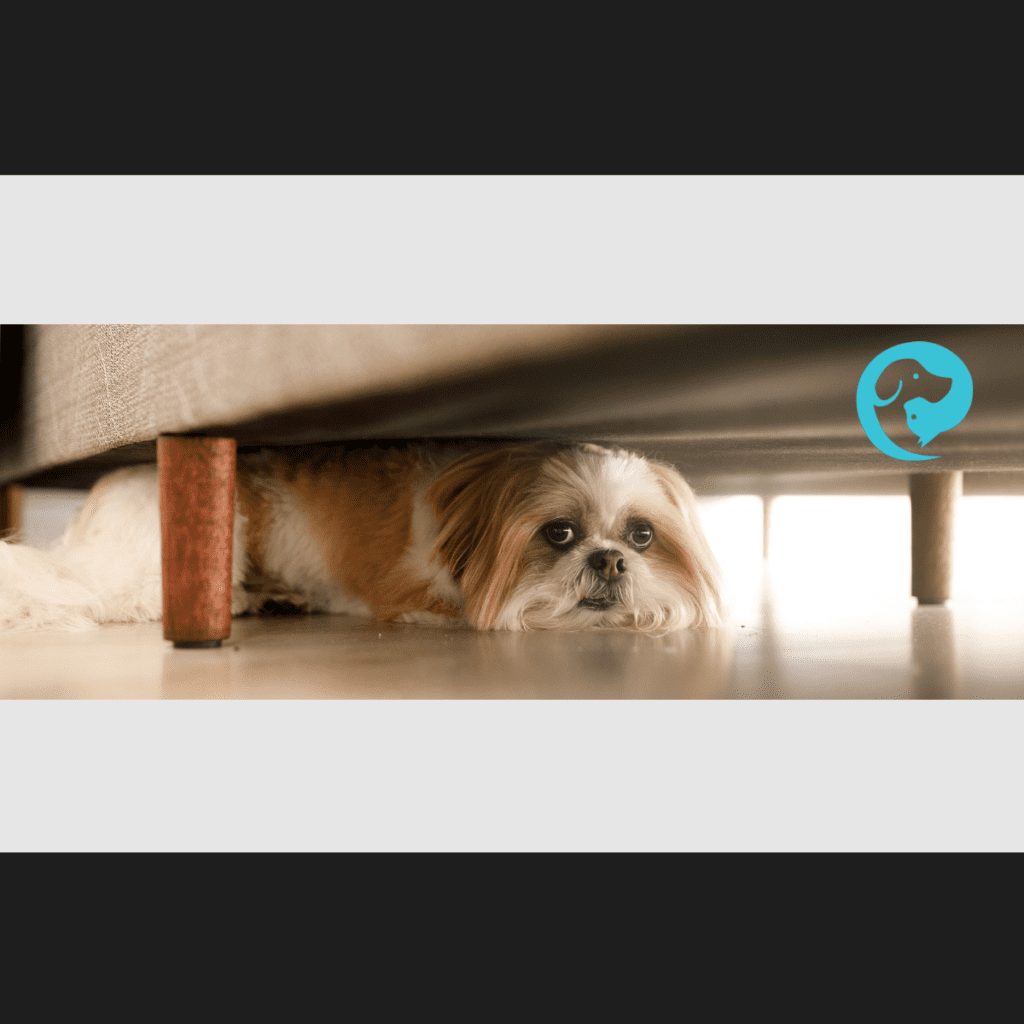
A fluffy white and brown dog hiding under a piece of furniture

5 Signs Your Dog Doesn’t Trust You (and how to Make it Better)

Did you have feelings about that title? Did it make you feel sad, confused or possibly even ashamed? Afterall, we love our dogs and it seems unlikely that anyone reading this post is intentionally trying to create conflict with their beloved pet. So before I jump into the signs of a trust account that needs some repair, I want to reassure you that trust accounts can feel broken for many, many reasons and the vast majority of them aren’t due to something you are intentionally doing.

A close up of a scruffy white and dark grey dog. His face and body is tense with wide eyes and dilated pupils. His ears are pinned back.

My Dog Growled at Me…and Other Tales of Resource Guarding in Dogs

What is resource guarding?
Turns out that’s a harder question to answer than I had anticipated. If you’re really interested in the minutiae of terminology around dogs using behavior to control access to resources, this paper will probably do the trick. For our purposes, resource guarding is just what I described, the behavior patterns that dogs use to control access to items of value.

5 Tips for Living with a Resource Guarder

Last week I talked about normal vs. abnormal guarding, and that resource guarding in general is a pretty normal behavior. Humans are masters at it! Just because something is considered normal, though, doesn’t mean that we shouldn’t take steps to avoid it or treat it accordingly. So for this week I thought the logical next step would be talking about tips for living with a guarder. Check them out below. 

  1. Learn their body language. For those of you who’ve followed this blog for a while, I probably sound like a broken record when it comes to the first step. When it comes to resource guarding, there are signs before the growl, air snap, or bite. Learning these signs allows you to intervene before there’s a problem and before your pet has to use those warning signals to keep someone at bay. 
  2. Make a list of all the things they guard and share it with everyone in their life. If your pet only guards, say, raw bones, you probably don’t need to write this down. You can simply let anyone who would give your pet that item know that it’s a guarded item. However, if you have a pet who guards a lot of things from various individuals, a written list can be incredibly helpful for people like dog walkers, pet sitters, and longer-term visitors. 
  3. Create a management plan and share it with everyone in your pet’s life. Now that you know what they guard, we can look at those situations and determine how we can prevent guarding. This could be something like simply not giving your pet items they guard or picking up all the toys when the neighbor dog comes over to play. Food and item guarding is usually quite easy to manage. Space and people guarding is more challenging, and often requires a professional because it’s not as easy to manage.
  4. Don’t test your pet. There are so many things that I don’t know if Oso guards because I’ve never bothered him when he has them. If it’s a high enough value I assume it will be guarded and I leave him alone and manage as I would if I knew it were true. There’s really no reason to test instead of manage. This also goes for feeding your pets together. There’s really no need to test this when you can simply feed them in separate rooms. Management is easier and cheaper than a bite.
  5. Don’t take things from your pet. It’s fairly easy to create a resource guarder. How do you create one? Take things from them. Teach them that someone is routinely going to take their valued possessions away from them or bother them while they’re eating. More info on that here. If your pet has an item they shouldn’t have and it’s not dangerous or valuable, ignore them. Let them have it. If it is dangerous or valuable, trade them for it with treats. 


Now what?

  • If you’re living with a resource guarder (and we all likely are, to some extent!), go through the list and determine what your first action should be. Do you need to learn more about what body language signals to look for? Or talk with the rest of the household about your management strategy? 
  • Start in on your first action item! When that feels comfortable and sustainable, choose another action item.
  • If you’re feeling overwhelmed with where to start or how much it feels like there is to do, check out our Beginning Behavior Modification: Learn the Skills You Need to Successfully Address Your Pet’s Aggression, Anxiety, Reactivity, or Fear. It walks you through learning your pet’s body language, setting up a management plan, and more. Check it out here
  • Check out our free Resource Guarding Workshop to learn more about resource guarding specifically and some of the RG-specific foundation skills. 


Happy training!

Allie
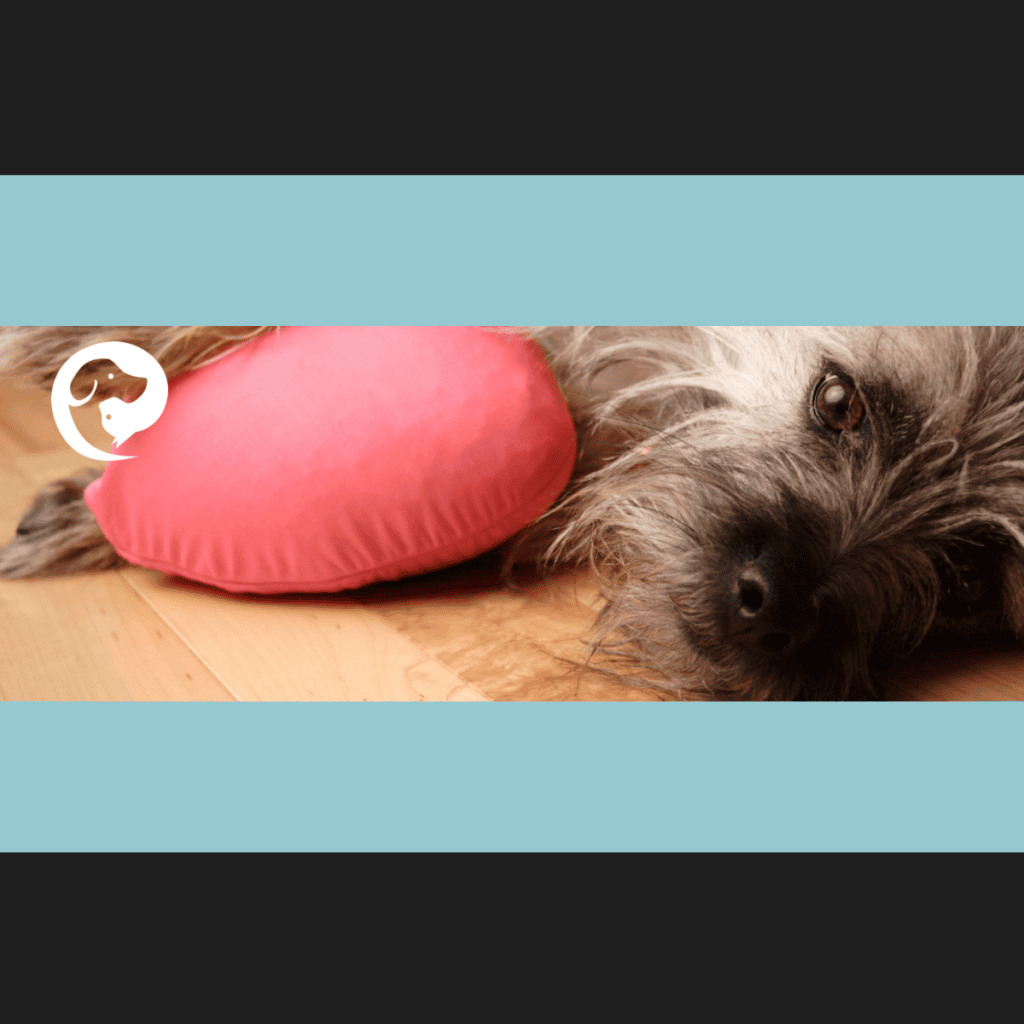
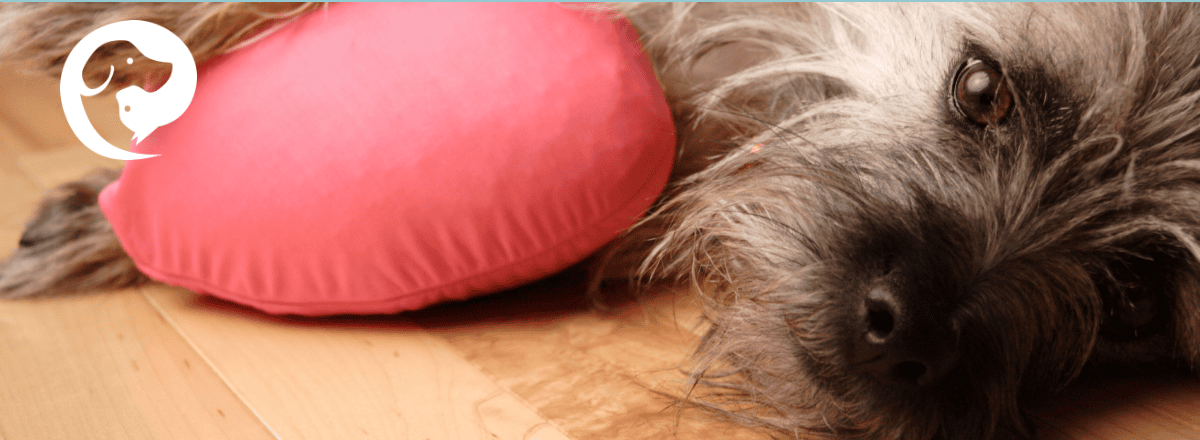
A scruffy grey dog lying on a floor with a pillow. An opportunity for resource guarding.

What’s Ab/Normal with Resource Guarding?

A scruffy grey dog lying on a floor with a pillow. An opportunity for resource guarding.

What's Ab/Normal with Resource Guarding?

Estimated reading time: 7 mins

Resource guarding can be scary. Seeing your sweet pet suddenly turn into a snarling mess over a chewy or their food dish is concerning. But while it’s concerning, one of the questions that I hear more with this behavior than with others is: Is that normal?

IS that normal?

Most people would call leash reactivity abnormal. Or light chasing or excessive tail chasing are usually thought of as abnormal (and they are). The behaviors that the average person labels as abnormal are usually the ones that they don’t see as frequently, whereas the average person would likely say it’s normal for dogs to bark at the mailman or to be afraid of thunderstorms. Normal and desirable are not always one in the same. 

The answer to this question when it comes to resource guarding is a favorite answer in the animal training community: it depends. Guarding in and of itself is normal, however, there are ways that it can present which are abnormal. As with most things in behavior, it’s not so black and white. 

Guarding is normal

We all guard or protect things we find valuable. Human examples can include something like hiding the chocolate from the rest of your household or locking your door. Humans are incredible at guarding their stuff; we have billion dollar industries devoted to helping us resource guard better. When it comes to our children and pets, though, we often expect them to relinquish their valuables much more so than we would do ourselves. But I digress. That’s a whole ‘nother topic. 

In short, guarding is a normal, natural behavior. It’s how our ancestors survived and it’s unrealistic to expect an individual to never guard something in any circumstance ever. That said, there are healthy guarding interactions and unhealthy guarding interactions. I think this may be more what people are after when they ask about resource guarding being normal: is this particular situation abnormal vs. the entirety of the behavior. Let’s take a look at some healthy and unhealthy examples. 

Healthy examples of resource guarding

Two criteria that I’m looking at when I’m looking at how concerning a resource guarding scenario is are:

  • The guarder’s communication (i.e. body language, like growling) is reasonable for the threat level
  • The other individual reacts appropriately by deferring to the guarder

Here’s what this can look like.

I'm good, thanks

Fido has a bully stick and is happily munching away. Rover comes over and starts sniffing the bully stick that Fido is munching on. Fido shows his teeth and growls. Rover walks away. 

In that situation Fido’s communication was reasonable in that he warned Rover to leave his bully stick alone when Rover stuck his nose into the situation (literally). Rover deferred and listened to Fido’s communication by walking away. Neither dog escalated the situation. No harm no foul in this scenario.

Dogs communicate!

While this may seem concerning because Fido is growling, remember that growling is simply a form of communication. It is also natural, normal, and healthy in appropriate situations. For example, no one would likely have an issue with their dog growling at an intruder. It’s not an inherently “bad” thing. We have a whole blog post about why growling is okay and what to do about it.  

One note: “appropriate” and “reasonable” are in the eye of the beholder. There’s not necessarily a hard and fast rule when it comes to what is reasonable in a situation and there are several factors to consider. 

Unhealthy examples of resource guarding

It should come as no surprise that the criteria for unhealthy guarding is just the opposite of that for healthy (plus one more):

  • The guarder’s communication (i.e. body language, behavior) is unreasonable for the threat level
  • The other individual continues pestering the guarder or escalates the situation
  • There are a lot of guarded things

Let’s look at a few examples of unhealthy guarding behavior:.

An inappropriate escalation

Fido is happily munching on his bully stick again. Lola comes over and starts sniffing the bully stick that Fido is munching on. Fido shows his teeth and growls. Lola attacks him. 

Hoo boy, not a good situation here. Fido is again showing appropriate warning signs for this particular threat, but Lola is having none of that and instead of deferring, ends up escalating the situation. 

Rude dude

Let’s look at another example, which is similar but not as severe:

Fido is once again happily munching on his bully stick. Petey comes over and starts sniffing the bully stick that Fido is munching on. Fido shows his teeth and growls. Petey backs up a few inches, then immediately resumes sniffing the bully stick. Fido once again shows his teeth and growls. Petey continues backing up and immediately resuming sniffing the stick. 

This is not as severe as the situation with Lola, of course, but poor Fido can’t eat his bully stick in peace! Petey is being pretty rude by not respecting Fido’s request for space.

Over the top

Let’s give Fido a rest and we’ll look at another example. 

Helga is happily munching on a bully stick. Rover walks past her, about 4’ away, on his way to the water bowl. Helga lunges forward and bites him. 

In this example, Helga’s reaction is not in line with the threat level. Rover is pretty far away and presumably ignoring her and the item while he’s on his way to the water bowl. 

The stress of guarding everything

Let’s look at one more scenario. Peggy and Billy were told that Colonel Sanders was a resource guarder when they adopted him, but didn’t expect it to be anything like this! He growls if someone approaches his food or water dish, a chewy he’s working on, his bed and crate, and now Peggy whenever Billy approaches. Peggy and Billy are doing their best to avoid these scenarios, but it’s proving to be very difficult and they’re now worried about what else will set him off. 

In the above scenario, Colonel Sanders is guarding a lot of things: food, water, high-value items, space, and people. While guarding in and of itself is normal, this poor kiddo is likely stressed quite a lot of the time because of how many different things he guards. And, some of those things are not as manageable as others, like people guarding. Though he’s sticking with just warning signs and Peggy and Billy are doing their best to respect his request for space, we would still label this as unhealthy if only because of how stressed everyone is in this situation. Usually when I see pets like Colonel Sanders they often have other anxiety issues as well.

Final Note

One last note while looking at abnormal and normal guarding scenarios: while I used pets in almost all examples, you could easily trade out a pet for a human in each of them. Humans often escalate guarding situations, like Petey or even Lola. We often also exacerbate resource guarding by trying to prevent it. More info about that here. 

Here’s to harmony,

Allie

Now What?

If you’ve seen resource guarding with your pet, think back to one of those situations. Do NOT illicit resource guarding for the sake of observation. Was your pet’s response reasonable for the threat? Did the threat (which may be you) respond appropriately? Which above scenario fits most closely with the situation you’re thinking about? Now you may be able to answer for yourself if your pet’s guarding seems normal or abnormal. 

If your pet is displaying guarding behavior, manage the situations so as to not illicit the behavior. This can be as simple as picking up toys that your pets fight over or feeding pets in separate rooms and picking up the bowls when they’re done. Item guarding is often quite easy to manage. 

Learn your pet’s body language. There are more subtle signs of guarding going on before the growl; we just need to know what to look for. This blog is a great place to start if bites are a concern in your home.

If you have a pet displaying abnormal guarding behavior, we’re here to help.

PS: Capitalism

Want to support our free, public content? Check out our Amazon shop. It’s full of enrichment and pet care items (that we really, actually use). Our team spends a significant amount of time working on content every week. We love it! But we’re also out here trying to pay our bills. 

*  Pet Harmony, LLC is a participant in the Amazon Services LLC Associates Program, an affiliate advertising program designed to provide a means for sites to earn advertising fees by advertising and linking to Amazon.com.

Copyright 2025 Pet Harmony, LLC. All Rights Reserved.

Terms & ConditionsPrivacy Policy

Results are not guaranteed because behavior, human, canine, or otherwise, are not guaranteeable.

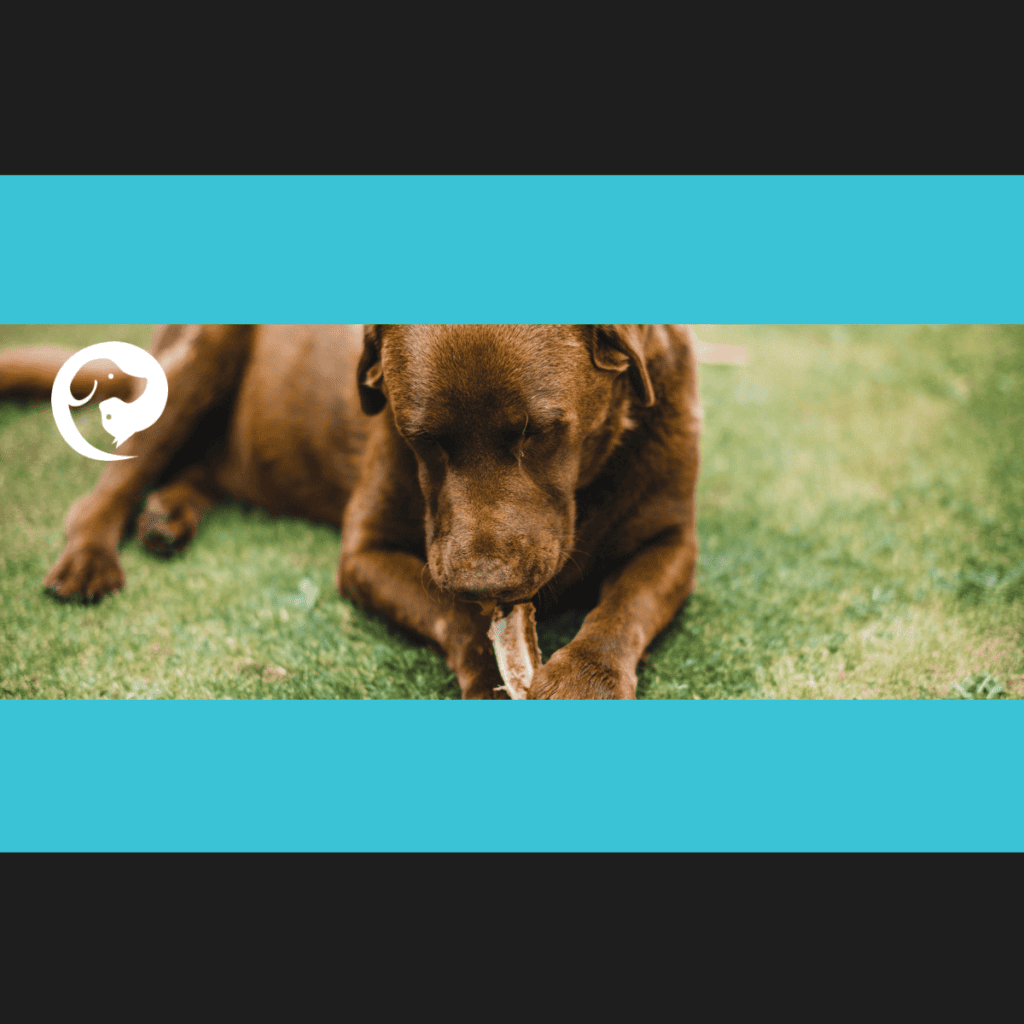
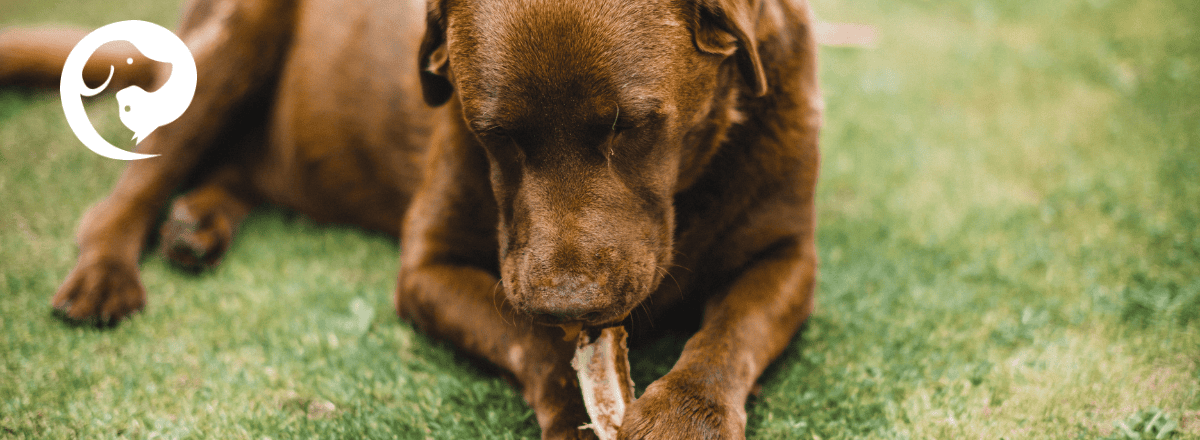
Close up of dog lying down chewing a bone. Taking it away can trigger resource guarding.

Are You Making Resource Guarding Worse?

Close up of dog lying down chewing a bone. Taking it away can trigger resource guarding.

Are You Making Resource Guarding Worse?

Estimated reading time: 3 mins

Confession time: there’s a statement that I hear all the time that makes me cringe as a behavior consultant: “I can take anything away from him and he’s fine.” 

I understand why this phrase comes out so frequently in a behavior consultation. People often tell me this as an example of how great their pet is. I suspect that it may combat the guilt and embarrassment that can come along with detailing their pet’s worst behaviors. I get it and I’ve certainly been there. It’s hard to feel like you’re under a microscope and that someone is evaluating your pet parentship. The more great stuff we can say about our pets the better! 

I have read more articles than I can count saying that you should routinely take stuff away from your pet to curb resource guarding. It’s is a pretty standard recommendation. So if there’s so much out there saying to do this why does it make me cringe? Because it often has the opposite effect and makes resource guarding worse.

Why Taking Things Away Can Increase Resource Guarding

You read that right. The very recommendation that is commonly made to curb resource guarding can actually make it worse. How could that be?

Think about it from your point of view: If every time you were eating a piece of cake someone came up to you and took it from you, my guess is that you wouldn’t be too happy. Even if they took it and gave it back I would be pretty peeved after a while. Can’t I just eat my cake in peace? 

From our pets’ point of view: They’re peacfully munching on something and we take it away from them. If they start growling or even lunging at us, then we leave them alone. (Note: I am NOT advocating taking things away from animals who are growling, lunging, or biting. In those moments, leaving them alone is the best option. Safety first, always.) 

Basically, the thought that we should take items away from our pets to get them used to it  to avoid guarding comes from outdated theories. This is one of those recommendations that is usually based in Dominance Theory (the theory that dogs form packs where an “alpha” controls everything). A discussion on this theory is beyond the scope of this particular article (but here’s a resource); I’ll just say that the original theory has been debunked in dogs for several decades and leave it at that. That frees up our understanding to look at the simpler model of interpretation.

What To Do Instead

So what can we do? Leave our pets alone when they’re enjoying their food and chewies. It’s simpler on the human end and helps teach our pets that they have nothing to worry about. If no one’s trying to take their stuff there’s no reason to guard it! If you need to get something away from your pet for safety reasons then trade them for something even better. If someone took away my piece of cake but gave me $100 I’d be a pretty happy camper. 

Here’s to harmony,

Allie

Now What?

Have you said you can take anything away from your pet and they’re fine?

It’s okay! We don’t know what we don’t know and we can’t be expected to know all of the latest information about every topic. That’s what professionals are for. Be patient and understanding with yourself, and discontinue randomly taking things from your pet.

Now that we know better, only take things from your animal if it’s a safety issue, then give them something even more valuable. Think of it as a trade.

Does your pet growl, lunge, or bite when you try to take stuff from them or go near them when they have valuable items? Contact us to create a plan to safely work on changing this behavior.

PS: Capitalism

Want to support our free, public content? Check out our Amazon shop. It’s full of enrichment and pet care items (that we really, actually use). Our team spends a significant amount of time working on content every week. We love it! But we’re also out here trying to pay our bills. 

*  Pet Harmony, LLC is a participant in the Amazon Services LLC Associates Program, an affiliate advertising program designed to provide a means for sites to earn advertising fees by advertising and linking to Amazon.com.

Copyright 2025 Pet Harmony, LLC. All Rights Reserved.

Terms & ConditionsPrivacy Policy

Results are not guaranteed because behavior, human, canine, or otherwise, are not guaranteeable.