
Pet Firework Safety & Security Tips
Loud Noises, Big Feelings, Safe Pets – Firework survival strategies for pets with sensitive ears.
July 14, 2025
TLDL (Too Long, Didn’t Listen):
1️⃣ Prepping ahead matters – The sooner you start practicing safety and calm, the more options you have to support your pet.
2️⃣ Safe spaces are powerful – A thoughtfully crafted retreat can help your pet feel protected and in control during chaos.
3️⃣ It’s not just behavior—it could be pain – Noise sensitivities may be connected to underlying pain or discomfort. Don’t overlook what your pet might be trying to tell you.
Episode Overview:
The Fourth of July might be a favorite for humans, but for many pets, it’s more like a horror movie. From hiding in bathtubs to bolting through doors, the fallout from fireworks can be intense and dangerous.
And hey, we know what you’re thinking: “Isn’t it a little late for firework advice?” Maybe. But let’s be honest. Most of us aren’t exactly winning awards for being proactive. So consider this your loving nudge: even if this year’s already gone boom, you’ve got a whole year to make next time better. Future-you (and your pet) will thank you.
In this episode of Enrichment for the Real World, Emily and Allie break down how to create a plan that helps your pet feel safe and secure when the fireworks start booming. With real-world examples of ways we keep our pets calm, simple tweaks that make a big difference, and how to prep ahead of time (because no one wants to be scrambling on July 3rd). If your pet’s fireworks motto is “nope, nope, NOPE,” this episode can help you prep for next year.
Links & Resources from the Episode
Going Down a Rabbit Hole?
Dive deeper into the world of enrichment, behavior, and building harmony.
More from Pet Harmony
We've got a lot more to share -- join the conversation!
Follow us on social media:
Instagram: @petharmonytraining
Facebook: @petharmonytraining
For professionals dedicated to enriching the lives of pets and people alike:
Instagram: @petharmonypro
TikTok: @petharmonypro
Sign up for our weekly newsletter: https://petharmonytraining.com/join/
Subscribe & Review
If this episode resonated with you, we’d love for you to subscribe and leave a review on Apple Podcasts. Your feedback helps us connect with others who are ready to create positive change in their pets’ lives and their own.
Meet the Hosts

Allie Bender, CDBC, CPDT-KA, SBA
Allie Bender is a Certified Dog Behavior Consultant, Certified Professional Dog Trainer- Knowledge Assessed, and a Shelter Behavior Affiliate. She has been in the animal welfare industry since 2006 and professionally training since 2012. She is the founder and co-owner of Pet Harmony, co-author of Canine Enrichment for the Real World, and a national speaker.
While in the animal sheltering industry, Allie realized that her passion lied in helping pets with maladaptive behaviors. Specifically, she wanted to help prevent animals with rehabilitatable problems from being euthanized. She loves working with dogs and cats displaying stranger danger, resource guarding, and leash reactivity. Her favorite thing about working with pets and their people is seeing relationships grow and seeing harmonious households develop.
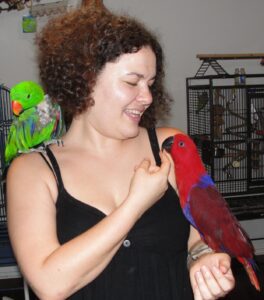
Emily Strong, CDBC
Emily Strong is a Certified Dog Behavior Consultant and Shelter Behavior Affiliate. She has been in the animal welfare industry since 1990 and has been a behavior consultant since 2008. She is the co-owner of Pet Harmony, co-author of Canine Enrichment for the Real World, and a national speaker.
Emily started working with animals at a young age and struggled with the notion that you have to hurt, scare, or intimidate animals to help them. When she discovered the behavior sciences and learned that it wasn’t necessary to do so– that we can care for emotional, mental, and physical health simultaneously– she plunged headfirst into animal behavior. Emily loves helping current and prospective behavior professionals and working with pet parents through our in-depth services. She enjoys working with all species.
Copyright 2025 Pet Harmony, LLC. All Rights Reserved.
Terms & Conditions, Privacy Policy
Results are not guaranteed because behavior, human, canine, or otherwise, are not guaranteeable.